We’ve all experienced the very modern frustration of replacing an expensive electronic device because one relatively minor component has stopped working. Call it wear and tear or call it the dreaded “planned obsolescence,” but I’d wager few of us have been spared the horror of a perfectly functional device falling flat on its face at the most inconvenient time.
This is cultivated a culture of replacement and “fast tech” that is incredibly bad for the environment and the wallet. But what if electronics were designed to be repaired and upgraded rather than discarded? That’s the promise of modular electronics, an approach that could fundamentally change how we manufacture, maintain, and consume technology.
The E-Waste Problem and Why Product Lifespan Matters
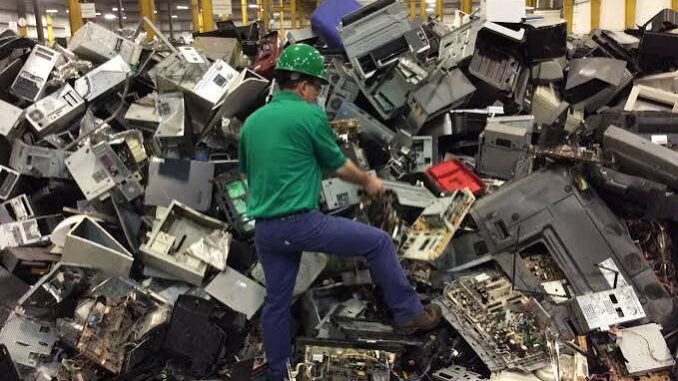
According to the Global E-waste Monitor 2024, approximately 62 million metric tons of electronic waste were generated worldwide in 2022, with just 22.3% formally collected and recycled. That’s an extraordinary amount of discarded technology, much of it containing valuable metals, plastics, and other materials that require significant resources to produce.
The problem isn’t simply that we’re buying more electronics. It’s that many devices are difficult or uneconomical to repair, encouraging consumers to replace entire products when individual components fail.
It seems clear that sustainable product design, repair infrastructure, and consumer awareness could all help reduce electronic waste and so extending product lifespans be just as important as improving recycling.
How Modular Design Can Extend the Life of Electronics
Traditional electronics often integrate multiple components into tightly packed assemblies, making individual repairs complicated or expensive. Modular design takes a different approach, allowing selected components to be removed, replaced, or upgraded independently.
Imagine a laptop where the battery, storage, display, and ports can be replaced without specialist equipment. Rather than purchasing an entirely new machine, users could simply upgrade whichever component needs attention.
Making this possible requires carefully engineered connections. Durable, accessible connectors for modular electronic components and circuit assemblies allow individual modules to be disconnected and replaced without permanent soldered connections. When properly designed, these systems can make maintenance considerably easier while potentially reducing the amount of functioning hardware discarded unnecessarily.
Why Modularity Isn’t an Automatic E-Waste Solution
Despite its potential, modularity comes with compromises. Replaceable components require additional connectors, housings, and mechanical structures, potentially increasing manufacturing costs, material consumption, and device size. There are also questions about durability, water resistance, and whether modular connections can withstand years of repeated use.
Perhaps the biggest uncertainty, however, concerns consumer behavior. A device that can be repaired doesn’t necessarily mean its owner will repair it, particularly if replacement parts are expensive or newer products appear more attractive. Modularity only delivers meaningful environmental benefits when it genuinely extends useful product life.
Ultimately, reducing e-waste requires more than clever engineering. It demands affordable repairs, long-term manufacturer support, and a shift away from treating electronics as disposable. Modular design could play an important role in making that transition possible.
Leave a Reply