
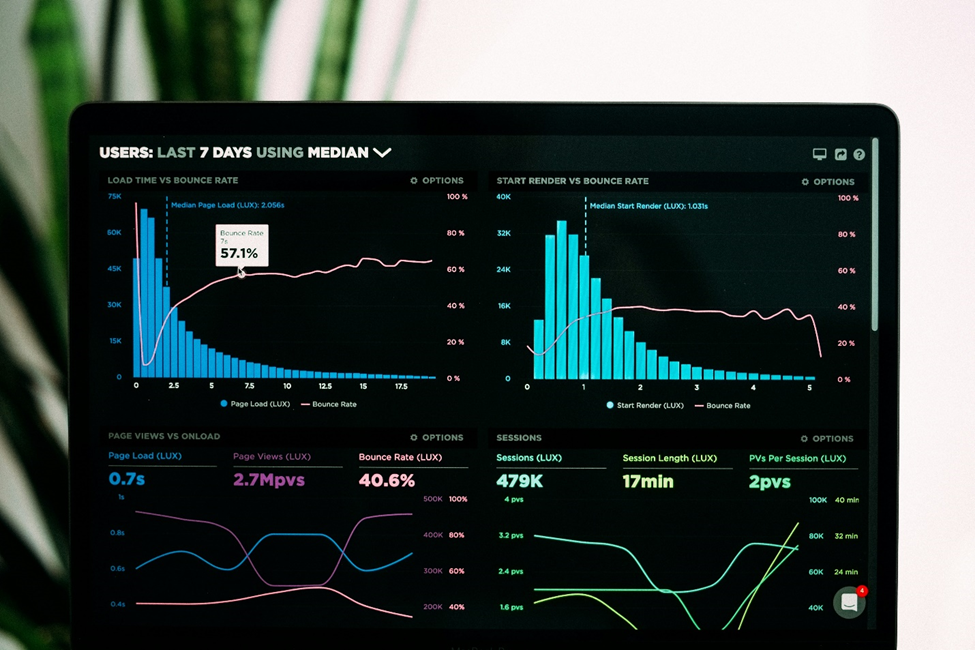
Photo by Luke Chesser on Unsplash
In the modern digital economy, data is no longer a static asset to be analyzed after the fact; it’s a dynamic, flowing current that defines moment-to-moment operations. The ability to process this continuous stream of information—a concept known as real-time data streaming—and apply predictive analytics is fundamentally reshaping how businesses interact with their users, manage infrastructure, and mitigate risk. This technological revolution is driven by sophisticated platforms built on technologies like Apache Kafka and Flink, which allow companies to ingest, process, and act upon billions of events per second. The ultimate goal is simple yet profound: to anticipate the future and influence it by making decisions in milliseconds.
The adoption of this technology is widespread. In logistics, companies use real-time data from GPS, weather feeds, and traffic sensors to dynamically adjust delivery routes, saving fuel and time. In healthcare, continuous patient monitoring systems stream physiological data to AI models that can predict the onset of a critical condition hours before human staff might notice the subtle changes, enabling proactive intervention. This shift from reactive reporting to proactive prediction is the cornerstone of modern innovation.
AI-Driven Personalization and Risk Management
The most transformative application of real-time data lies in personalization and risk assessment. By constantly analyzing a user’s interaction data—clicks, time spent on a page, purchase history, and geographical location—systems can instantly tailor the digital environment to maximize relevance and engagement. This hyper-personalization is crucial for customer retention in the highly competitive landscape of digital services.
For instance, e-commerce platforms don’t just recommend products; they analyze the stream of a shopper’s scrolling behavior and instantly adjust the search rankings, promotional banners, and suggested items while they are still on the page. Similarly, in FinTech, real-time transaction analysis isn’t just about detecting fraud after it occurs; it uses behavioral biometric data to instantly score the risk of an incoming transaction and either approve, flag, or decline it within milliseconds, protecting both the customer and the bank in real-time.
The Entertainment Industry’s Data Imperative
The digital entertainment sector, a massive component of the global economy, has become a hotbed for these analytical techniques. In many production setups, capturing high-quality video signals for analytics and streaming often requires the best HDMI to USB solution to ensure reliable data input. Streaming services like Netflix or Spotify use real-time consumption data to dynamically adjust their queues and recommendation algorithms. If a user skips a song after 15 seconds or binge-watches a specific genre for eight hours, that event is immediately fed back into the model, influencing the next piece of content suggested. This instant feedback loop is vital for maintaining subscriber engagement.
This real-time predictive approach is also critical in highly dynamic and regulatory-sensitive digital environments. For example, within various segments of the digital entertainment world, including platforms like online casinos and competitive video game streaming, these systems play an essential role. Specifically, digital entertainment providers that offer real-money interactive services utilize this same technology to track user behavior—such as the change in speed of decision-making or alterations in deposit and withdrawal patterns. These streams of data are continuously fed into sophisticated machine learning models to identify potential signs of problematic behavior or money laundering. This isn’t just about offering a better experience; it’s a mandated necessity for regulatory compliance and responsible operation. By flagging high-risk sessions instantly, the platforms can deploy required protective measures, such as automated cooling-off periods or providing links to responsible gaming resources.
Ethical and Future Implications
While the commercial advantages of real-time analytics are undeniable, the ethical implications are significant. The power to predict and influence user behavior requires robust governance. Questions surrounding data privacy, algorithmic bias, and the potential for manipulative personalization are becoming central to the public debate. Regulations like GDPR are attempts to catch up with the pace of technological advancement, ensuring that personal data is processed responsibly.
Looking ahead, the next frontier for real-time data streaming and predictive analytics lies in Edge Computing and the Internet of Things (IoT). As billions of sensors—from smart city infrastructure to autonomous vehicles—generate data at the source, the ability to process and act on this information instantly, without relying on central cloud data centers, will be the next major disruption. This shift promises truly autonomous systems, from self-regulating power grids to fully adaptive supply chains, cementing the role of real-time predictive technology as the single most critical driver of the next generation of digital innovation.
Leave a Reply