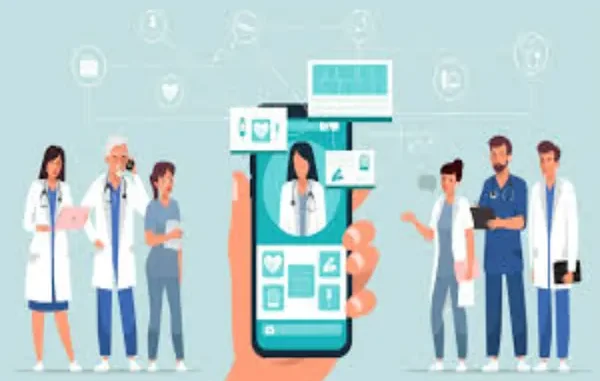

It is now a new normal in our lives to rely on smart devices and apps for convenience. But imagine applying that same level of support in a doctor’s office, a clinic, or even a patient’s home, not through AI, but through trained human assistants. In healthcare, remote assistants provide critical support while maintaining trust, professionalism, and confidentiality.
How Remote Assistants Became Essential in Healthcare
Initially, assistants were mostly administrative staff handling appointments and paperwork. However, healthcare providers quickly realized the potential of trained assistants in managing patient interactions, reminders, documentation, and follow-ups. Unlike AI, human assistants can provide empathetic, personalized care while safeguarding sensitive medical information in a compliant way.
In a healthcare setting, any assistant must treat patients’ conversations as medical records. Medical HIPAA-compliant assistants come in here. They are meant to safeguard sensitive health data. To get an idea of how seriously some providers take compliance, consider this service.
Why Remote Healthcare Assistants Are a Game Changer
Here are the benefits a health care assistant provides.
1. Hands-Free Efficiency
Remote assistants handle documentation, appointment scheduling, and patient coordination. Their support allows clinicians to spend more time directly with patients rather than juggling paperwork.
2. Increased Access & Engagement
They follow up with patients, answer questions, provide guidance, and offer a personal touch that reassures patients and builds trust.
3. Reduced Administrative Burden
Tasks like insurance verification, prescription refills, and billing are handled efficiently, freeing staff from repetitive work.
4. Scalable Patient Interaction
Remote assistants can provide flexible schedules and 24/7 support, ensuring patients get timely responses even beyond office hours. This ensures patients’ questions and needs are addressed promptly, improving overall satisfaction and care continuity.
5. Enhanced Accuracy and Reliability
Remote healthcare assistants are trained to follow procedures precisely, reducing errors in documentation, appointment reminders, and patient follow-ups. Their attention to detail ensures higher quality outcomes and fewer administrative mistakes.
Best Practices for HIPAA-Compliant Remote Healthcare Assistants
If a healthcare provider is serious about using remote human assistants, here are the essential compliance and security practices.
- Get a Signed BAA: Make sure the assistant signs a BAA, formally acknowledging their responsibilities under HIPAA or equivalent privacy laws.
- Apply Strict Access Controls & Role-Based Permissions: Assistants should have access only to the minimal data they need to perform their tasks.
- Set up documented policies for how PHI is handled, designate someone (or a committee) who oversees compliance, and maintain procedures for responding to breaches or compliance violations.
- Maintain Audit Trails, Logging & Monitoring: Every action involving PHI, viewing, editing, and sending, must be logged.
- Ensure Ongoing Education, Monitoring & Recertification: Assistants should refresh their compliance training regularly, and the organization should conduct periodic risk assessments and compliance audits.
Final Thoughts
Healthcare organizations can greatly benefit from remote healthcare assistants. These trained professionals provide flexible, secure, and HIPAA-compliant support, helping clinics, hospitals, and providers focus on what matters most: delivering quality patient care. It increases efficiency but also enhances patient experience, engagement, and trust, bringing a personal, reliable touch to modern medical care.
Leave a Reply