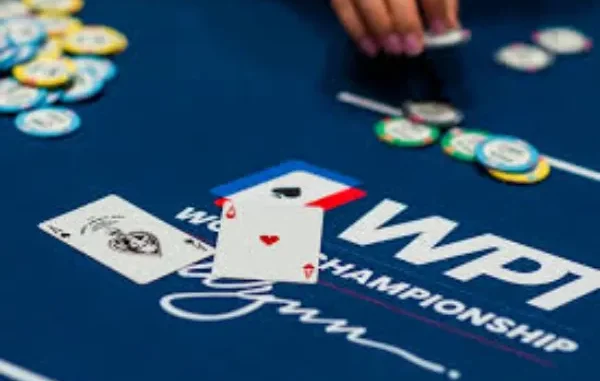
Poker is one of the most popular casino games, yet it’s often misunderstood. Many people believe that poker is a game of luck or bold risk-taking; however, in reality, a professional player who aims for long-term success at the poker table often depends on discipline, psychology, and strategic thinking. The mindset of a professional player is developed over time and shaped by experiences, the ability to manage uncertainty, and even self-control. Looking closer at the mindset of a professional player offers insights into not only the game of poker but also into decision-making under pressure in general.
Discipline and Patience at the Table
While movies and TV shows often depict poker as a quick-moving, fast-action game, the reality is that poker often requires significant patience. Professional players take time to evaluate their hand, their opponents, and the situation carefully before taking action, and this can all take time. This is true whether a professional is playing in person at a casino or at an online site. Both in-person and online games require patience and discipline from professionals who want to act with intention. In particular, online casinos have become especially popular over the past few years as a growing number of players prefer the convenience of betting from home. While some poker players wager on local sites that comply with rules in their home country, many seek out offshore platforms that are licensed internationally in order to take advantage of the flexible wagering options and large game libraries typically on offer. The best offshore poker sites often offer a wide range of poker variants, big bonus offers, and engaging tournaments, attracting both casual and professional poker players alike.
Regardless of whether a professional is playing in person or online, patience and discipline are key. Players who are patient enough to wait for a favorable situation are often able to set themselves apart from the competition. Because of this, many professional poker players’ mindsets revolve around not only game rules and strategy, but also simple yet effective tactics like patience.
Thinking in Probabilities Rather Than Outcomes
Beyond patience, many poker players also focus on probabilities instead of short-term results. For example, instead of judging a hand based on whether it wins or loses, a professional player often evaluates their decisions based on whether they believe they made the statistically correct choices based on the information they had at the time. This is a tactical approach and can take some time to develop and fine-tune.
When a player uses this approach, it helps them separate emotion from logic because even a well-played hand can sometimes lose, and sometimes a poorly played hand can win, depending on the situation. For experienced professionals, this variance is accepted as part of the game. They understand the potential variances, and to combat this, they often aim for probability-based thinking.
Emotional Control Under Pressure
Professional players must focus on emotional control because they often find themselves in high-pressure situations. High-stakes games that professionals typically join can involve lengthy, time-consuming sessions, large financial swings, and intense pressure. A beginner poker player who is still honing their skills often feels excited while playing if things are going well or frustrated if things take a turn. Sometimes, new players allow their emotions to dictate their actions during the game, which can lead to poor decision-making. For professional players, it’s important to separate emotions from poker.
In order to do this, professionals must remain calm and collected, regardless of whether they are winning or losing. For example, a professional player who can control their emotions under pressure, who may be winning an important game, won’t want their big win to lead to overconfidence, because that can cause a player to relax and make mistakes. Similarly, a professional who is losing a game won’t let frustration or panic take over. This can lead to what players call tilt, causing some players to make quick, hasty decisions they may regret later. Expert players combat tilt in various ways, ensuring they can keep a level head even during losses.
Managing Risk and Variance
Risk management is a core component of professional poker psychology. Professional players who participate in high-stakes games and tournaments often find themselves in environments where outcomes are uncertain, and even when playing to the best of their ability, there can be uncertainties. Professional players with years of experience have often learned to accept these risks and the variance that comes with high-stakes games and take steps to mitigate the risks involved.
Many professional players manage risk by setting limits, maintaining a buffer in their gaming budget, and choosing appropriate stakes. By accepting the fact that there will always be some variance while playing poker, and taking steps to reduce their risk, professional players are often able to protect themselves from some short-term volatility and set themselves up for long-term success.
The Importance of Self-Awareness
One key trait that often sets professional poker players apart from many casual players is their level of self-awareness. Professional players often spend time considering their own strengths, weaknesses, emotional triggers, and patterns. By evaluating themselves and how they play, they can approach tournaments and high-stakes games with self-awareness and tact. Additionally, understanding their own weaknesses also allows professional players to improve and evolve. For example, a professional player may determine through self-reflection that they are great at emotional control during games but have a hard time reading opponents. Once they know this about themselves, they will be able to research, study, and practice reading opponents to upskill themselves and play better in the future.
Mental Endurance and Focus
While casual players can visit a casino or log into an online site for a quick game of poker, professional players often play in lengthy tournaments, both in-person and online, that require mental endurance and focus. These poker sessions can last for hours and require players to sustain concentration the entire time.
Because of this, professional players work hard to develop habits and routines that help them maintain their focus while playing. Practice can also help players avoid distractions and make consistently sound decisions over long periods of time. The endurance that professional poker players need is not only cognitive but also emotional, and staying composed and level-headed during stressful games requires mental conditioning and practice.
Conclusion
Professional poker players have a unique mindset that allows them to play for long periods and handle stressful situations while remaining calm and focused. These players often fine-tune their skills over the years, learning to be patient, think in probabilities, and maintain emotional control, manage risk, and develop self-awareness.
Poker players who are able to learn and master these skills can set themselves up for success in the future as they’ll likely be able to play for long periods of time, maintain their emotions during both wins and losses, and employ tactics to reduce risks. While professional poker games can be hard to navigate, with the right tools and mindset, players can not only enjoy the experience but also potentially increase their chances of winning.
Leave a Reply