Advances in chronic lymphocytic leukemia (CLL) research continue to refine frontline treatment strategies, particularly as longer follow-up data become available from pivotal phase 3 trials. In this context, extended progression-free survival (PFS) analyses are increasingly central to clinical decision-making.
Updated findings from the SEQUOIA trial, presented within the scientific program at ASH 2025, contribute to this evolving evidence base and offer additional clarity on long-term disease control in treatment-naïve CLL and small lymphocytic lymphoma (SLL).
BeOne Medicines has highlighted its engagement in the ASH 2025 hematology space by providing access to study materials and references related to the SEQUOIA trial. These resources direct readers to the original ASH abstract and associated scientific documentation, supporting transparency and appropriate attribution of clinical findings.
The Evolving Role Of Long-Term PFS In CLL
Progression-free survival remains a critical endpoint in CLL clinical trials. In the frontline setting, where treatment decisions may influence disease trajectory for many years, durable PFS outcomes provide insight into the long-term balance between efficacy and tolerability.
Historically, chemoimmunotherapy combinations such as bendamustine plus rituximab were widely used in previously untreated CLL. However, the introduction of Bruton tyrosine kinase (BTK) inhibitors has reshaped the therapeutic landscape.
Head-to-head randomized studies comparing targeted therapies with established chemoimmunotherapy regimens have provided important data to inform guideline development.
The SEQUOIA trial is one such global phase 3 study evaluating a BTK inhibitor against bendamustine plus rituximab in patients with treatment-naïve CLL or SLL. Over time, the accumulation of longitudinal data has allowed investigators to assess not only initial response rates but also sustained disease control across multiple years of follow-up.
Scientific Context Of The SEQUOIA Trial
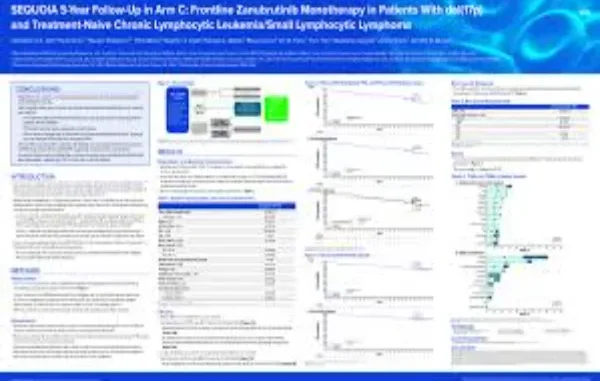
The SEQUOIA study enrolled patients with previously untreated CLL/SLL and included distinct cohorts based on cytogenetic risk, including those with deletion 17p (del[17p]), a high-risk feature historically associated with poorer outcomes using chemoimmunotherapy.
The trial’s design enables comparison of outcomes between targeted therapy and standard chemoimmunotherapy in the frontline setting. Extended follow-up has been presented in scientific forums, including ASH 2025, where investigators discussed updated survival analyses and long-term PFS outcomes.
Authoritative context for these updates can be found through the ASH abstract platform and through materials referenced by BeOne Medicines. The publicly accessible ASH resource page includes links to the original abstract, which provides formal study methodology and reported endpoints.
For reference to the published scientific summary, readers may consult updated findings from the SEQUOIA zanubrutinib study phase 3 PFS data, which direct to the official ASH abstract and associated scientific documentation rather than reproducing embargoed content.
It is important to rely on the primary abstract and peer-reviewed sources for precise statistical outcomes and subgroup analyses.
High-Risk Del(17p) Disease And Frontline Considerations
Deletion 17p is recognized as an adverse prognostic marker in CLL. This cytogenetic abnormality is associated with disruption of the TP53 pathway, resulting in reduced responsiveness to traditional chemoimmunotherapy and historically shorter remission durations.
Targeted therapies, particularly BTK inhibitors, have demonstrated activity in this subgroup across multiple clinical trials. Longitudinal PFS data from randomized phase 3 studies are therefore particularly relevant in assessing whether frontline targeted treatment strategies may offer more sustained disease control for patients with high-risk molecular features.
The inclusion of patients with del(17p) in SEQUOIA and the availability of extended follow-up provide a clinically meaningful context. For treating physicians, durable PFS outcomes in this subgroup inform discussions around risk stratification, sequencing of therapy, and expectations regarding long-term management.
Implications For Treatment Selection In The Frontline Setting
Frontline therapy selection in CLL now involves integration of molecular risk assessment, patient comorbidities, treatment goals, and the evolving evidence from randomized trials. Extended follow-up from studies such as SEQUOIA adds depth to this decision framework.
While overall survival remains an important endpoint, PFS can serve as an earlier and practical indicator of sustained disease control. In clinical practice, longer PFS may translate into a prolonged time before the need for subsequent therapy, which is particularly relevant in a chronic malignancy such as CLL.
The availability of six-year follow-up data provides additional reassurance regarding the durability of response. However, interpretation must remain grounded in the full dataset, including safety profiles, discontinuation rates, and subgroup analyses as presented in the original abstract and scientific meetings.
Transparency And Scientific Attribution
The ASH annual meeting represents a key forum for the dissemination of peer-reviewed hematology research. Abstracts presented at ASH undergo formal review and are made available through the society’s official channels. When referencing findings discussed at ASH 2025, it is essential to rely on the publicly available abstract text and avoid reproducing embargoed or unpublished data.
BeOne Medicines’ ASH resource page functions as a gateway to these primary materials, including links to the official abstract listing. Such referencing ensures that readers can independently verify methodology, patient populations, and reported endpoints.
In the broader context of CLL research, transparent citation of trial data reinforces scientific rigor and supports evidence-based clinical decision-making.
Ongoing Evolution Of The CLL Treatment Landscape
The management of CLL has shifted significantly over the past decade, driven by molecular insights and the development of targeted therapies. As more mature data emerge from long-running phase 3 trials, clinicians gain a clearer understanding of long-term outcomes across different patient subgroups.
The SEQUOIA study contributes to this body of evidence, particularly through its extended PFS analyses and inclusion of high-risk cytogenetic cohorts. Continued follow-up will remain important in clarifying overall survival trends, late safety findings, and durability of remission.
Within the ASH 2025 scientific program, the discussion of longitudinal outcomes underscores a broader trend in hematology toward long-term disease management strategies.
For frontline CLL therapy decisions, such data provide a foundation for aligning treatment selection with individual patient risk profiles and evolving standards of care.
To Sum Up
In summary, updated longitudinal PFS data from the SEQUOIA phase 3 trial add meaningful context to frontline CLL treatment considerations, particularly in patients with high-risk features such as del(17p). By directing readers to the original ASH abstract and associated scientific documentation, BeOne Medicines facilitates access to authoritative, peer-reviewed evidence while maintaining transparency and appropriate attribution in the ongoing evaluation of CLL therapies.
Leave a Reply