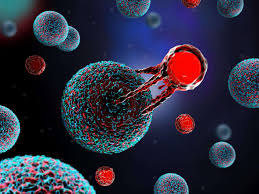

Chronic Lymphocytic Leukemia (CLL) is one of the most diagnosed types of leukemia in adults, specifically in western countries. The disease starts in the bone marrow, and it attacks a type of white blood cell known as B lymphocytes which is usually used to protect the body against infection.
The programs employed in the treatment of CLL were decades ago, chemotherapy centric. These therapies were effective in the management of disease advancement in the majority of cases but were more likely to modify not only the cancerous but also the normal cells.
With the development of medical scientists, they started to think of targeted therapies, whereby patients can be directly delivered drugs directly at the biological pathways that guarantee the proliferation of cancer cells.
One of the significant findings, in this respect, was the role played by a protein referred to as Bruton Tyrosine Kinase (BTK) which helps in the B-cell signaling.
How BTK Signaling Drives CLL Progression
Bruton’s Tyrosine Kinases are an important part of the signaling pathway for the growth, survival and interaction of B cells with external signals.
In healthy immune systems this signaling process is part of the way the immune system can have an appropriate response. However, in such conditions as CLL and Small Lymphocytic Lymphoma (SLL), abnormal B cells are particularly dependent on this pathway to keep dividing.
By blocking BTK signaling, the growth of leukemia cells could be slowed or even halted by scientists that made this discovery. This discovery paved the way for therapies known as BTK inhibitors. These drugs are intended to block the action of the BTK protein, which diminishes signals that enable tumor-infested B cells to survive.
Research on targeted therapies has only continued to increase, and today healthcare providers recognize BTK inhibition as a key mechanism in the contemporary treatment of specific blood cancers.
The Rise of Targeted BTK Inhibitors in Oncology
In the last decade, targeted cancer therapy has emerged as a central component of oncology. Unlike conventional therapies that exert effects throughout the body and indiscriminately on dividing cells, targeted therapies are designed to disrupt specific molecular cascades that malignant cells rely on for their growth.
BTK inhibitors are a leading example of this strategy. These therapies mark another step toward targeted therapies that directly inhibit the signaling pathway exploited by malignant B cells. There are ongoing studies and research with other BTK-targeted therapies that aim to show objective potent inhibitory effects over the preferred fields of the BTK protein. In certain instances, such therapies aim to maintain BTK blockade within circulating blood cells and lymphoid tissues, where leukemic cells may reside.
Advances in therapies like the cll btk inhibitor are part of a larger shift toward precision medicine, in which treatments are increasingly adapted to the biological features of a disease.
Implications For Clinical Research and Patient Care
BTK inhibitors have made an impact on CLL at the clinic and in the research. Research is ongoing to determine the long-term effectiveness of these therapies in treatment, and how they can be used to enhance the efficacy of other specific drugs or immunotherapies.
Due to that, a general treatment strategy will be different depending on the way each disease of each specific person is acting. Such factors may include disease stage, health status of patients, genetic markers and the varying clinical guidelines. Scientists are also exploring some new methods to enhance the effectiveness of targeted agents like combination therapy and resistance mechanisms that may manifest temporarily.
A Growing Focus on Precision Medicine in Cancer Treatment
The changes in CLL research reflect a more general change of direction that has been taking place in contemporary healthcare. Innovations in molecular biology, genetic analysis and drug development are enabling scientists to investigate how exactly diseases work at the cellular level.
This knowledge contributes to the advancement of therapies to target certain biological targets rather than make use of conventional therapies. That is why novel types of therapy such as BTK inhibitors are increasingly taking center stage in the discussion of how blood cancer treatment will appear in the future. In this way, despite the ongoing modification and innovation of research, the growing opportunity of evidence over the years has demonstrated the central role that scientific innovation will take in bringing us to a future of tailored therapies in the case of oncology. For detailed and reliable treatment advice, it’s best to speak with your healthcare provider, since this is just general information.
Leave a Reply