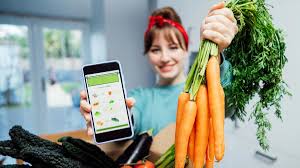
The way people shop for food has shifted in meaningful ways over the past several years, and plant-based eating has been one of the clearest beneficiaries of that shift. Where finding a range of vegetable-forward, whole-food ingredients once meant living near a specialty grocer or spending time hunting through a standard supermarket, dedicated plant based food delivery services have made it possible to fill a kitchen with quality produce, legumes, grains, and pantry staples without leaving the house.
The appeal goes beyond convenience. Services focused on plant-based groceries tend to emphasise seasonal and sometimes imperfect produce that would otherwise go to waste. This means customers receive items that are fresh, nutritionally intact, and sourced with efficiency in mind rather than purely cosmetic standards. For anyone building a diet around whole foods, that approach aligns well with the underlying goal.
Why the Delivery Model Works for Plant-Based Diets
Plant-based eating benefits from variety. A diet centred on vegetables, fruits, legumes, nuts, and grains works best when the selection rotates with the season and includes ingredients you might not have thought to pick up on a routine shopping trip. Delivery subscriptions introduce that variety by design, with selections that change week to week based on what is available.
For people new to plant-based eating, the curated nature of a delivery box also serves an educational function. Encountering an unfamiliar squash variety or a specific type of lentil alongside cooking suggestions encourages experimentation that a standard grocery run might not. Over time, the range of ingredients a household is comfortable working with tends to expand.
Cost is often raised as a concern around plant-based eating, but produce-focused delivery services have shifted that calculation. When boxes are built around seasonal abundance and items that are plentiful rather than scarce, the per-unit cost of fresh vegetables and fruits compares favourably with what a physical store charges for the same quality level. Reducing food waste also contributes to the value equation, since having a planned delivery removes the impulse purchases that sit at the back of a fridge and are eventually thrown out.
Building Meals Around a Delivery Box
One of the practical habits that forms among regular users of plant-based delivery is planning meals around what arrives rather than shopping to a fixed list. This flexibility rewards cooks who are comfortable adapting, and it tends to produce more interesting meals than sticking to the same rotation each week.
Batch cooking is a natural complement to this approach. Preparing a base of grains, a pot of beans or lentils, and a couple of roasted vegetables at the start of the week creates building blocks that assemble into different meals with minimal effort. The delivery box supplies the raw material; the batch session reduces daily cooking time to assembly.
Frequently Asked Questions
What is plant-based food delivery? It is a service that delivers plant-based groceries, including produce, pantry staples, and sometimes prepared items, directly to your door on a recurring or one-time basis.
Is plant-based delivery more expensive than shopping in a supermarket? It depends on the service and the products. Many plant-based delivery options focus on seasonal and imperfect produce, which can be competitive with or cheaper than supermarket equivalents at similar quality levels.
Can I customise what comes in my box? Most services offer some level of customisation, from full control over each item to choosing from a curated selection each week.
Do I need to cook everything from scratch? No. Many delivery services also include ready-to-cook meal kits or pantry items that require minimal preparation alongside whole produce.
Is plant-based food delivery suitable for families? Yes. Orders are typically scalable by household size, and many services offer family plans that adjust quantities accordingly.
Leave a Reply