
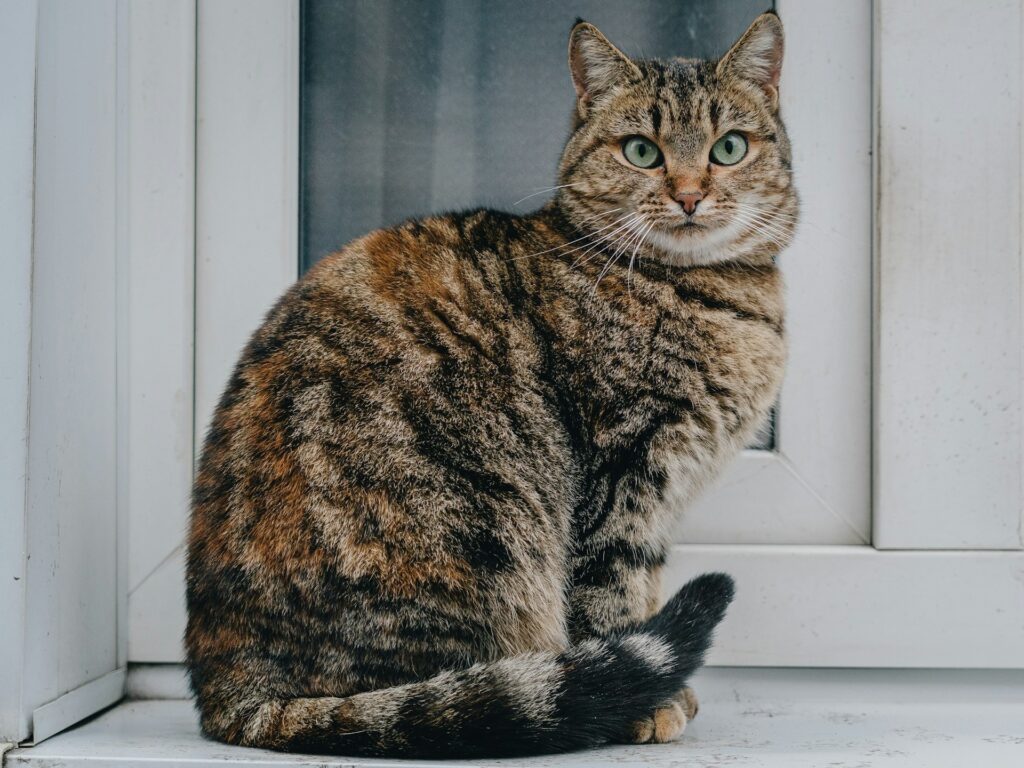
Cats come in all shapes and sizes, but larger breeds often require a different approach to daily care. From feeding routines to exercise and grooming, big cats can have unique physical and behavioral needs compared to their smaller counterparts.
Whether you share your home with a towering Maine Coon, a muscular Savannah, or a naturally large mixed-breed cat, understanding these differences can help keep them healthy and comfortable for years to come.
The Right Litter Box for Bigger Cats
One of the first adjustments owners make for large cats is upgrading to a larger litter box. A standard litter tray may feel cramped for a cat that weighs 15 pounds or more, which is why many pet owners look into an automatic litter box designed specifically for larger breeds. Bigger cats need enough room to turn around comfortably, dig naturally, and enter the box without squeezing through a small opening.
An automatic litter box can also help maintain cleanliness in multi-cat households. Large cats tend to produce more waste, meaning litter boxes may need more frequent scooping and odor control. Automated systems can simplify maintenance while keeping the environment cleaner for pets and owners. Choosing a model with a roomy interior and strong odor filtration is especially important when caring for larger felines.
Large Cats Often Need More Calories
Because of their size and muscle mass, large cats generally require more calories than smaller breeds. However, that does not mean overfeeding is healthy. The key is balancing nutrition with activity levels and age. A highly active Bengal or Savannah may burn more energy throughout the day, while a larger indoor cat may gain weight quickly if portions are not monitored carefully.
Protein-rich diets are often beneficial for larger cats because they help maintain lean muscle. Wet food can also support hydration, which is important for urinary and kidney health. Portion control still matters, though. Obesity can place extra stress on joints and increase the risk of diabetes, arthritis, and heart issues.
Veterinarians often recommend monitoring body condition rather than relying solely on weight charts. Since some breeds are naturally larger-framed, a healthy big cat may weigh more than average while remaining fit.
Exercise Becomes More Important
Large cats may appear calm and relaxed, but they still need regular exercise to stay healthy. Physical activity helps prevent obesity and keeps muscles and joints strong. Interactive toys, climbing structures, and scheduled play sessions are all valuable for keeping bigger cats engaged.
Larger breeds often enjoy vertical spaces because they like surveying their surroundings from above. Strong cat trees with reinforced platforms are essential since smaller structures may wobble or break under extra weight. Some large cats also enjoy leash training and supervised outdoor walks, which can provide additional stimulation.
Without enough activity, larger cats can become bored or sedentary. This may lead to destructive behavior, overeating, or reduced mobility over time. Regular exercise helps support both mental and physical wellness.
Bigger Cats Need More Space
A large cat may not feel comfortable in a cramped environment filled with tiny hiding spots or undersized furniture. They often appreciate wider resting areas, larger scratching posts, and beds that comfortably support their frame.
This also applies to carriers and travel equipment. Standard cat carriers may feel restrictive for large breeds, especially during long car rides or veterinary visits. Choosing sturdy carriers with proper ventilation and enough room to stand and turn around can make transportation less stressful.
Even feeding stations can require adjustments. Elevated bowls sometimes improve comfort for bigger cats by reducing strain on the neck and joints during meals.
Grooming Requirements Can Vary
Some of the largest cat breeds also happen to have thick, luxurious coats. Maine Coons, Norwegian Forest Cats, and Siberians all require regular grooming to prevent tangles and reduce shedding. Larger cats may struggle to groom hard-to-reach areas effectively, especially as they age.
Routine brushing can help minimize hairballs and improve skin health. Nail trimming is also important because heavier cats place more pressure on their paws and claws while walking or climbing. Keeping nails properly maintained can reduce accidental scratches to furniture and help cats move comfortably.
Long-haired large cats may benefit from grooming several times a week, especially during seasonal shedding.
Joint Health Deserves Extra Attention
The bigger the cat, the more pressure is placed on joints over time. Large cats can be more prone to mobility issues as they age, particularly if they become overweight. Supporting joint health early may help maintain flexibility and comfort later in life.
Providing soft bedding, easy access to favorite resting spots, and ramps or steps for climbing can reduce strain. Some veterinarians may also recommend supplements containing glucosamine or omega-3 fatty acids to support joint function.
Regular veterinary visits are especially important for monitoring mobility and identifying potential issues before they worsen. Early intervention can make a significant difference in maintaining a high quality of life.
Understanding Your Large Cat’s Big Needs
While large cats often share similar care requirements, every cat still has its own personality and preferences. Some thrive in active households with plenty of climbing opportunities, while others prefer quiet routines and cozy sleeping spots. Paying attention to behavior, appetite, energy levels, and grooming habits can help owners recognize what their cat needs most.
Caring for a large cat may require a few upgrades in space, nutrition, and equipment, such as an automatic litter box, but the reward is a happy and comfortable companion. With proper care, these impressive felines can live healthy, fulfilling lives while bringing plenty of personality and affection into the home.
Leave a Reply