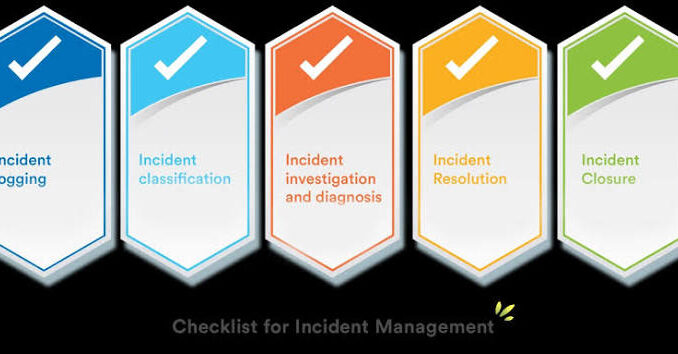
A workplace incident can trigger a long series of responsibilities that extend well beyond the initial report. Supervisors must gather information, safety teams need to investigate the event, and organizations must track corrective measures to help prevent similar occurrences. Managing these tasks manually can slow response efforts and create gaps in documentation. Read on to discover how technology helps simplify workplace incident reporting, investigations, and follow-up activities.
Standardized Incident Reporting Processes
Workplace incident reports are more effective when employees follow the same reporting procedure. EHS software provides standardized forms that capture important details such as the incident date, work area, employees involved, witnesses, hazards observed, and a description of the event. This consistency helps reduce confusion and ensures critical information is available from the beginning. Managers can review reports more efficiently when information follows a common format. A structured process helps improve investigation quality and maintain more reliable safety records.
Faster Root Cause Analysis With Structured Investigation
A clear investigation process helps teams look beyond the immediate circumstances of an incident. Structured workflows support more thorough investigations and help organizations identify factors that contribute to recurring incidents.
Consistent Investigation Procedures
A defined process helps investigators evaluate each workplace incident in a consistent manner. Important details receive attention in a logical sequence. This helps improve investigation accuracy and documentation quality.
Clear Documentation Of Findings
Investigation results should remain easy to review and verify. The system links investigation findings directly to incident records. This helps maintain accountability and makes information easier to retrieve later.
Improved Corrective And Preventive Action Management
The value of a workplace investigation depends largely on what happens once the review is complete. The system helps organizations assign corrective actions, establish due dates, and monitor progress from one location. Managers can review action status, verify completion, and identify overdue tasks before issues remain unresolved. Automated notifications help responsible employees stay aware of approaching deadlines and outstanding actions. This oversight helps organizations follow through on corrective measures and reduce the likelihood of similar incidents.
Key Benefits Of Action Tracking
- Assign responsibilities to specific employees or departments.
- Monitor action status from a centralized dashboard.
- Link corrective measures directly to investigation results.
- Maintain documentation for compliance reviews and inspections.
- Receive reminders when deadlines approach.
Simplified Audit Preparation And Compliance Reporting
Preparing for a workplace safety audit can become difficult when records exist in multiple locations. The centralized platform keeps reports, investigation documents, corrective actions, training records, and compliance information together within one system. Safety teams can retrieve supporting records quickly when auditors request evidence. Automated reporting tools help generate OSHA records, compliance documents, and audit-ready reports with less administrative effort. This organized approach helps organizations remain prepared for internal reviews and regulatory inspections.
Better Safety Insights Through Incident Trend Analysis
Workplace incident records often reveal patterns that can help prevent future incidents. Advanced reporting tools help organizations identify trends related to injury types, incident frequency, departments, work areas, near misses, and recurring hazards. Safety leaders can use this information to identify departments with higher incident rates, recurring equipment-related concerns, or tasks that involve greater risk exposure. This information helps safety teams prioritize improvements and address concerns before similar incidents occur. Understanding incident trends helps organizations focus prevention efforts where they can have the greatest impact.
Managing workplace incidents involves far more than documenting what happened. Organizations must investigate causes, address identified hazards, maintain compliance records, and learn from past events. Choosing the right EHS software can help organizations respond to workplace incidents more effectively, reduce recurring hazards, and build a stronger safety culture. A centralized system helps organizations manage these responsibilities more efficiently and consistently.
Leave a Reply