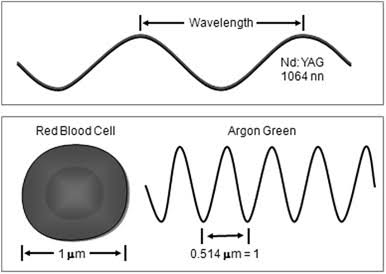
In optical measurement, more light is not always the answer. What matters is how much of the spectrum a source covers and how consistently it delivers output. Broad emission can reveal information that a narrow-line source may miss.
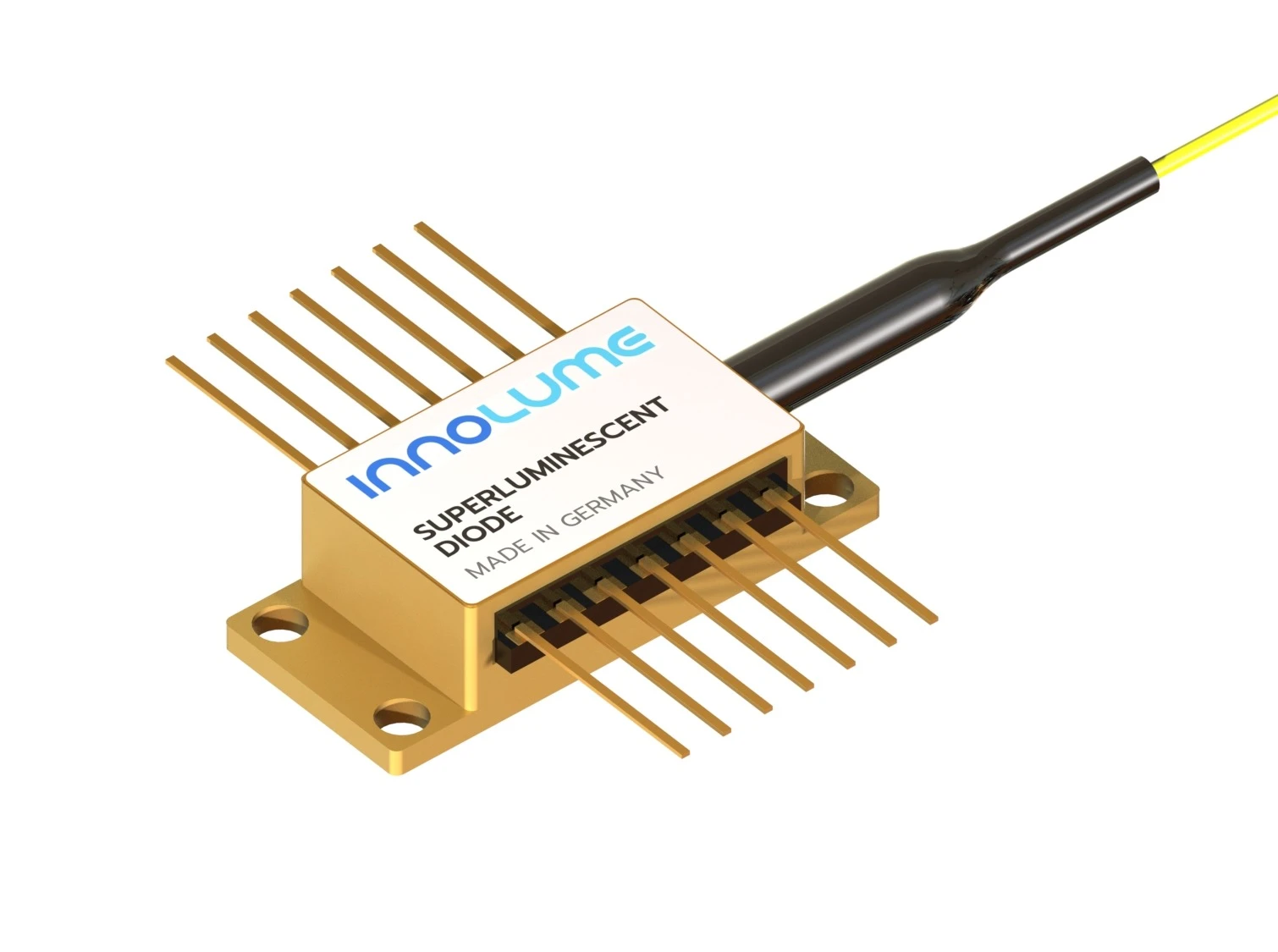
When engineers search for a broadband led light source, they are often looking for wide spectral coverage and low-coherence illumination rather than a single narrow wavelength. Device type matters: Innolume’s broadband portfolio is based on superluminescent diodes (SLDs), semiconductor sources that combine broad emission with useful optical power.
Where broadband output helps
A broadband source emits across a range of wavelengths. This can reduce unwanted interference where coherence effects complicate measurements or image formation. Required bandwidth and power depend on the instrument and its purpose.
Typical applications include:
- Optical coherence tomography (OCT), where broad emission can support axial resolution.
- Fiber sensing and spectroscopy, where a wide range helps capture optical responses.
- Optical inspection and instrumentation, where consistent illumination supports repeatable measurements.
Designers should consider wavelength range, power, coupling method and sensitivity to optical feedback.
Specifications beyond output power
A datasheet provides more than an output power value. Spectral bandwidth, ripple, operating current, thermal conditions and package design all influence component performance after integration. Evaluating these parameters helps engineers determine whether a device meets the requirements of the intended optical system.
Engineers should compare:
- Center wavelength and spectral bandwidth with the measurement range and detector response.
- Output power and spectral ripple with signal level and stability requirements.
- Package and optical coupling options with available space, heat dissipation requirements and fiber type.
Low-coherence output can make a superluminescent diode (SLD) more suitable than a conventional laser diode for certain applications. The final selection should reflect the system’s optical and thermal requirements, with performance evaluated under intended operating conditions to ensure compatibility with the wider setup.
Configured for the application
Standard components may not fit a research instrument or OEM platform. Wavelength, bandwidth, fiber type and package can determine whether a source integrates smoothly or forces changes elsewhere. Custom development helps address these constraints.
Innolume GmbH develops semiconductor photonic devices, including broadband SLD sources, with tailored specifications and flexible packaging. Its in-house R&D and vertically integrated production help customers move from technical requirements to component selection. Engineers can discuss wavelength range, output and integration needs with Innolume’s team to select a suitable configuration.
Leave a Reply