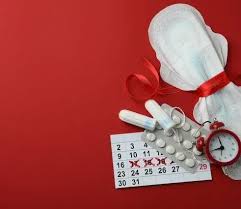
For many individuals, the timing of their menstrual cycle can be a frustrating surprise. Think about planning a well-deserved spring break, only to have menstruation crash your vacation plans at the last minute.
In such moments, the burning question arises — can you delay your cycle? This guide explores this common challenge and how potential solutions, like FLO vitamins, can help you feel your best.
The Science Behind Menstrual Cycles
To assess the feasibility of delaying one’s cycle, start by examining the intricate biological mechanisms that govern menstruation. Menstrual cycles are regulated by a sophisticated interplay of hormones, primarily estrogen and progesterone, orchestrated by the hypothalamus, pituitary gland, and ovaries.
These hormones facilitate the shedding of the uterine lining, resulting in menstruation roughly every 21 to 35 days for most individuals. Factors such as stress, diet, and lifestyle can influence the regularity of these cycles, prompting curiosity about interventions like PMS vitamins and their potential impact on this intricate process.
Alternative Methods and Home Remedies
Beyond PMS vitamins, individuals seeking to postpone their menstrual cycle often explore alternative methods and home remedies. One prevalent tactic involves turning to birth control pills, commonly prescribed for their hormone-regulating properties.
By manipulating hormone levels through specific regimens, birth control pills can offer a degree of control over the timing of menstruation. However, these methods come with considerations, including potential side effects and the need for medical guidance.
Home remedies, such as adjusting one’s diet, exercise routine, or stress management practices, are also frequently suggested as natural ways to influence menstrual cycles. While lifestyle modifications can contribute to overall well-being and hormonal balance, their direct impact on postponing menstruation remains limited.
It’s important to assess the effectiveness and safety of these methods in light of individual health factors before opting for interventions that could impact your menstrual cycle. Understanding the potential risks and benefits is a must when determining the most suitable course of action for managing menstrual irregularities.
Myth vs. Reality: Debunking Misconceptions
There are many misconceptions when discussing delaying menstruation. One prevalent myth asserts that consuming copious amounts of certain vitamins can magically halt one’s period in its tracks.
In reality, the delicate hormonal balance that governs menstrual cycles is not easily swayed by over-the-counter supplements alone. While vitamins and minerals play critical roles in overall health and well-being, their ability to actively delay menstruation is in question.
Challenging these misconceptions also involves dispelling the notion that altering one’s menstrual cycle with supplements is a risk-free endeavor. As with any intervention that impacts hormonal processes, introducing new substances into the body, regardless of their purported benefits, can have unanticipated consequences.
Responsible decision-making concerning menstrual cycle management necessitates a foundation of informed knowledge and consultation with healthcare providers. Engaging in these practices is crucial for effectively navigating and optimizing interventions tailored to individual needs and health considerations.
Managing Expectations
When considering changes to menstrual cycles, it is important to set realistic expectations. Although adjusting timing may be appealing, a practical approach to any intervention is essential.
Methods like taking PMS vitamins or hormone-altering medications may offer temporary reprieves, but the potential trade-offs, including side effects or disruptions to the body’s natural equilibrium, must be carefully weighed. Planning ahead and embracing flexibility can alleviate the stress of unexpected timing clashes.
Do PMS Vitamins Make a Difference?
PMS vitamins can be a potential way to improve your period symptoms if it does happen to come at the worst possible time. Vitamins such as vitamin B6 support the synthesis of neurotransmitters, including serotonin, which is known for its role in mood regulation.
By influencing neurotransmitter production, vitamin B6 may help reduce stress levels and cravings, while chasteberry can help stabilize mood swings, and dong quai can help relieve cramps and bloating. Similarly, minerals like magnesium support muscle relaxation and nerve function, potentially easing premenstrual symptoms and promoting hormonal balance.
Informed Choices for Optimal Well-Being
If you want to postpone your menstrual cycle until after spring break, options range from alternative remedies to medical interventions. Still, you should always be cautious.
While quick solutions may be tempting, it is essential to approach these decisions with an informed perspective and an understanding of the body’s natural processes. However you address your PMS and menstrual needs, an informed and balanced approach leads to the best outcomes during spring break and beyond.
Leave a Reply