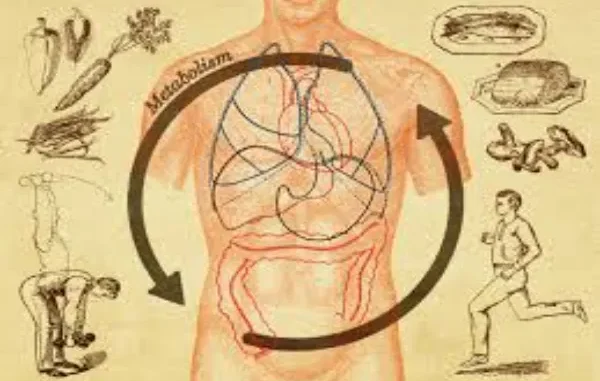

The connection between metabolism and the management of weight and weight-related disease is long established and well documented. Through decades of research, we have identified the key elements of the metabolic process and the critical roles each part plays. We have also significantly improved our understanding of how to optimise the process and the benefits this can deliver.
This knowledge has been bolstered by more recent breakthroughs, which have fundamentally changed the scope and course of metabolic research. Here, we explore how our understanding of the metabolic process has evolved. We will also take a closer look at how this has impacted our research processes and priorities.
The traditional understanding of metabolism
Put extremely simply, metabolism is the process of generating energy by breaking down nutrients and other substances. This energy is then used to power everything from cell repair and reproduction to muscle growth and movement.
All living organisms rely on some form of metabolism to survive, heal, and thrive. For example, plants turn sunlight, water, and carbon dioxide into glucose and oxygen through the metabolic process of photosynthesis. Similarly, the human body breaks down ingested carbohydrates and other nutrients to create simpler molecules and release energy.
The metabolic process is facilitated by enzymes, which are specialised proteins that act as biological catalysts. Enzymes control progress along metabolic pathways, ensuring the right reactions occur in the correct sequence, and preventing unwanted side reactions. They also lower the energy needed to start a reaction and speed up the transformation process.
Metabolic processes are broadly broken into two main categories: catabolism and anabolism.
Catabolism is considered the destructive side of metabolism. It is the breaking down of complex molecules into simpler forms, like carbohydrates into glucose or proteins into amino acids. During this process, some energy is also released.
Anabolism is the constructive side of metabolism. It uses the energy and simple molecules created by catabolism to build the complex molecules required for life-sustaining cellular activities. This includes the repair of damaged cells, the creation of new cells, and the growth and repair of tissues.
The energy created and released through catabolism can also be stored within the body for later use. Short-term storage is in the liver and muscles, with energy released to maintain blood sugar levels and fuel physical activity. Longer-term storage is in adipose tissue (body fat), with energy accessed when the immediate and short-term supplies have been exhausted.
As such, the balance of energy being taken in (catabolism) and energy required to function (anabolism) is crucial to good health. If there is too little energy coming in, important growth and repair processes will be impaired. If there is too much, the additional energy will be stored as fat, causing weight gain and other potential issues.

Recent breakthroughs that have reshaped our understanding
The role of a naturally occurring hormone, Glucagon-Like Peptide-1 (GLP-1), has been the focus of significant recent research. Known as a key regulator of metabolic activity, multiple studies sought to identify ways to stimulate GLP-1 production. This ultimately led to the creation of a class of drugs known as GLP-1 Receptor Agonists, which mimic this hormone.
As they help stimulate the production of insulin, these medications were initially developed as a treatment for Type 2 Diabetes. However, they have also been found to slow digestion, prolonging feelings of fullness and helping reduce appetite. As a result, they have become an extremely popular option for people looking to lose weight.
At the same time, there has been an ongoing effort to identify ways to increase an individual’s basal metabolic rate (BMR). This is the amount of energy a body requires to fuel all of its basic, life-sustaining activities. It is influenced by a range of factors, including age, sex, and body size and composition.
Despite widespread claims that certain foods may be able to increase energy expenditure, research suggests these are largely unfounded. While there are a small number of foods that appear to have some impact, the evidence for this is limited. Most evidence is also based on unrealistically high consumption rates that would not be practically achievable or sustainable.
By contrast, a range of physical activity interventions have been consistently found to help boost a person’s BMR. Resistance training is particularly effective, as it encourages growth of skeletal muscle, which is more metabolically active than other tissues. Increased muscle density also increases post-activity energy requirements, known as Excess Post-exercise Oxygen Consumption (EPOC) or the “afterburn effect”.
The future of metabolism research
The discoveries made over the last decade have provided a foundation and created pathways for future studies. In addition to building on recent findings, researchers are starting to move past the focus on metabolism and weight management. Many leading institutions are now exploring metabolism as a complex network of chemical reactions that sustain cellular function.
A wide range of conditions, from cardiovascular disease to neurodegeneration, have a foundation in tissue dysfunction caused by metabolic disruptions. So, by shifting to a disease-agnostic approach, researchers hope to identify seemingly disparate issues where metabolism is the common thread. They also aim to bring together multidisciplinary teams of previously unrelated expertise and tools to challenge preconceptions and accelerate advancement.
This cutting-edge research will be led by academic professionals with advanced degrees in medical science and clinical practice. If you are interested in being part of this, consider exploring phd in nursing online programs.
Leave a Reply