Packing for a trek is hard enough, but packing for a trail where the weather changes every few hours is a whole different challenge. If you’re planning to hike the Everest Base Camp trek, knowing how the weather shifts along the route isn’t just helpful, it’s essential for safety, comfort, and success.
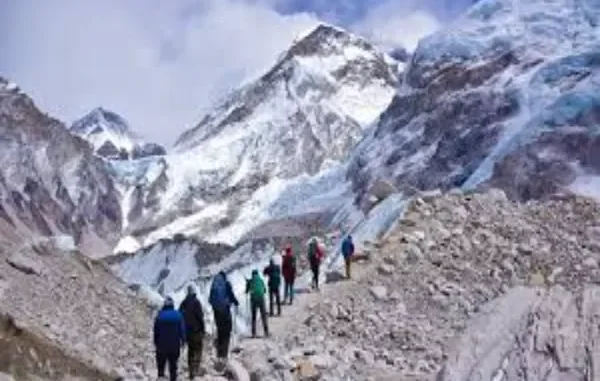
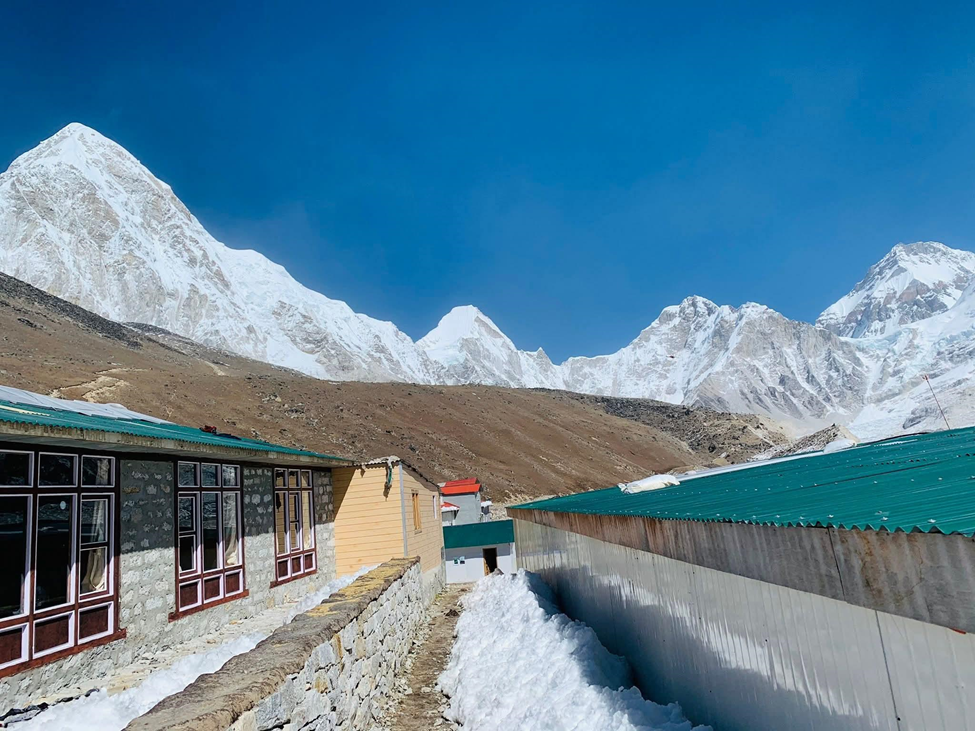
The trail moves through dramatic climate zones: from the warm, lush forests of Lukla to the icy, wind-exposed high plains near Gorak Shep. One moment you’re walking under a warm sun, peeling off layers, and the next you’re grabbing your down jacket as snow begins to fall. The higher you go, the more extreme and unpredictable the weather becomes.
This guide breaks down how the temperature, wind, humidity, and visibility change as you ascend the trail, so you can pack smart, plan ahead, and trek with confidence.
What Is the Climate Like on the Everest Base Camp Trek?
The Everest Base Camp (EBC) trek ranges from 2,860 meters in Lukla to 5,364 meters at Base Camp. With every 1,000 meters of altitude gained, temperatures drop by roughly 6°C (10.8°F). This means fast-changing weather is the norm.
Here’s what makes EBC weather unique:
- Temperate climate in lower regions: Lukla, Phakding, and Namche Bazaar are relatively mild and humid.
- Alpine climate above 3,500m: Places like Tengboche and Dingboche have colder, drier air with frequent wind.
- Polar climate above 5,000m: Lobuche, Gorak Shep, and Base Camp experience freezing temperatures day and night.
Other factors impact weather too:
Microclimates
Valleys trap clouds and moisture, while ridgelines remain windy and dry.
Rapid visibility changes
Sunny mornings can turn into foggy, snowy afternoons.
Low humidity at high altitude
Dehydration happens faster due to dry air.
Strong winds
Above 4,000m, afternoon gusts are common, increasing the wind chill drastically.
In short: expect constant weather transitions. Being ready for both warm sun and freezing winds, often on the same day, is essential.
Monthly Weather Breakdown Along the Everest Base Camp Route
January to March (Winter) — Cold, Clear, and Quiet
Winter brings some of the clearest skies of the year, but also the harshest temperatures.
What to Expect
- Lukla/Namche: around 5°C (41°F) daytime; below freezing at night
- Lobuche/Gorak Shep: as low as –20°C (–4°F)
- Frequent snow and icy trails
- Limited teahouse services
Winter treks offer solitude and incredible visibility, but require solid cold-weather experience.
Winter Tips
- Wear thermal layers and a –20°C–rated down jacket
- Use insulated water bottles to prevent freezing
- Start early to avoid strong afternoon winds
Ideal for: experienced trekkers seeking silence and crystal-clear views.
April to May (Spring) — Warm, Clear, and Colorful
Spring is one of the most popular seasons for trekking.
Weather Overview
- Lukla/Namche: 10–15°C (50–59°F)
- Higher altitudes: cold nights but comfortable days
- Rhododendron forests in full bloom
- Generally stable weather
This season is also peak time for other routes like the Manaslu Circuit Trek, which shares similar spring conditions, mild temperatures and excellent visibility.
Spring Tips
- Use strong sunscreen—UV radiation is intense
- Wear layers for fluctuating temperatures
- Book your teahouse early; it’s peak season
June to August (Monsoon) — Wet, Foggy, and Slippery
Monsoon brings heavy rainfall, clouds, and humidity, making trekking riskier.
What to Expect
- Muddy, slippery trails
- Limited mountain views
- Leeches in lower forests
- Frequent Lukla flight delays
- Trail washouts and landslide risk
Essential Monsoon Gear
- Waterproof jacket and pants
- Quick-dry shirts
- Gaiters or leech socks
- Pack covers
Monsoon trekking is not recommended unless you’re highly experienced.
September to November (Autumn) — The Best Trekking Season
Autumn is considered the prime season for the Everest region.
Weather Highlights
- Cool, comfortable daytime temperatures
- Perfectly clear skies
- Minimal rain and strong visibility
- Dry trails and stable conditions
- Busy teahouses and viewpoints
This season provides some of the best mountain views of the year.
Autumn Tips
- Book lodging in advance
- Wake up early to avoid crowds
- Bring a sleeping bag rated to –10°C (14°F)
December — Early Winter with Clear Skies
December is colder, quieter, and still a great time to trek if you’re prepared.
Expect:
- Cold nights (down to –15°C at high altitude)
- Increasing snowfall above 4,000m
- Dry, clear conditions
- Quieter trails
Best for: trekkers who prefer solitude and can manage cold weather.
How Altitude Affects Weather on the Everest Trek
Altitude dramatically changes temperature, humidity, and wind conditions.
Average Temps by Altitude
| Location | Altitude | Day | Night |
| Lukla | 2,860m | 10–15°C | 0°C |
| Namche Bazaar | 3,440m | 5–12°C | –5°C to 0°C |
| Dingboche | 4,410m | 0–5°C | –10°C |
| Lobuche | 4,940m | –2–3°C | –15°C |
| Base Camp | 5,364m | –5°C | –20°C |
Important Weather Effects
- Wind chill makes high altitudes feel far colder
- UV exposure increases as the air thins
- Hydration needs rise due to dry air
What Are the Coldest Points on the Everest Base Camp Trek?
The coldest areas are:
- Gorak Shep
- Lobuche
- Everest Base Camp
Nights here can drop below –20°C in winter. Water bottles freeze, frost forms on teahouse windows, and layered clothing is a must.
Cold-Weather Safety Tips
- Avoid sweating, wet clothes quickly freeze
- Wear insulated gloves, boots, and hats
- Layer properly: base + mid + outer shell
- If symptoms of hypothermia or AMS appear, descend immediately
When Is the Best Time to Trek to Everest Base Camp for Good Weather?
Choose:
✔ April–May (Spring)
- Colorful trails
- Mild temperatures
- Clear skies
✔ October–Early November (Autumn)
- Excellent visibility
- Dry, stable climate
- Ideal for photography
Avoid June–August (monsoon) unless you’re prepared for rain, clouds, and delays.
How to Prepare for Weather Changes on the EBC Trek
Best Clothing and Gear for Everest Base Camp Weather
When trekking to Everest Base Camp, packing the right clothing and gear is essential because the weather can shift dramatically as you gain altitude. Start with moisture-wicking base layers that keep sweat off your skin, preventing chills in the cold. Add warm mid-layers like fleece or down jackets to trap body heat during the freezing mornings and evenings. A high-quality waterproof jacket and pants are a must, especially for sudden rain or snowstorms.
Thermal gloves, a warm hat, and a neck gaiter protect your extremities, which are the first to feel the cold. Since UV rays intensify at higher altitudes, sunglasses with UV protection and strong sunscreen are non-negotiable. An insulated sleeping bag rated to at least –15°C ensures you stay warm in remote teahouses where nights can be extremely cold. Trekking poles help with balance on slippery or uneven terrain, and a rain cover for your backpack keeps your gear dry during unexpected weather changes.
Staying Safe in Harsh Mountain Conditions
Safety on the EBC trail depends heavily on how well you adapt to changing weather. Staying dry is your first line of defense, wet clothes can quickly lead to hypothermia. Dressing in layers allows you to adjust your body temperature easily as you move between warm valleys and freezing high-altitude zones. Because the weather can change rapidly, it’s important to check local forecasts daily, either through mountain weather apps or your trekking guide.
Always carry an emergency warm layer in your daypack, even on seemingly sunny days. If you’re unsure about the conditions, route, or how to react to sudden weather shifts, hiring a licensed guide is highly recommended. Guides not only understand the mountain’s patterns but also help you make safe decisions when the weather becomes unpredictable.
Conclusion:
Understanding how weather changes along the Everest Base Camp trek helps you pack the right gear, manage risks wisely, and enjoy a smoother trek. From humid forests to icy high passes, every zone demands attention and preparation.
Respect the mountains, stay flexible with your schedule, and plan around the seasons. With the right mindset and preparation, you’ll not only stay safe, you’ll enjoy one of the most breathtaking journeys on Earth.
Ready to take on Everest? Start by understanding its weather, and the trail will reward you at every step.
Leave a Reply