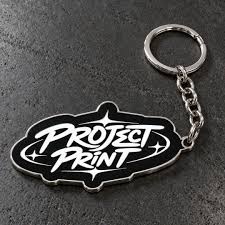

If you’re looking for a unique product to promote your brand, consider bespoke keyrings. Unlike standard, generic designs, bespoke keyrings offer a practical, versatile way to create personalised accessories for businesses, events, and organisations.
In fact, well-designed bespoke keyrings offer both functionality and long-term brand visibility. In this guide, we share design ideas, materials, and customisation options for making bespoke keyrings that leave a lasting impression.
Start with the Why
Brand owners are often quick to jump straight into designing before establishing why they are making bespoke keyrings. The purpose should influence almost every design decision, including shape and material choice.
Who is your target audience? Will they be giveaways or sold? What should people remember about the design? These are some of the questions you should ask yourself before pulling out your sketch book.
For instance, if you are designing bespoke keyrings to celebrate your first year in business, the design needs to focus more on commemorating the occasion.
Keep the Design Simple
One important thing when designing bespoke keyrings is to avoid trying to include too much information. You have a small space to work with, and you must make good use of it. However, this doesn’t mean adding too much information.
A simple design is often easier to recognise and more effective for branding. In most cases, stick with the company logo, brand colours, and slogan. You can ditch the slogan if the space available isn’t enough and stick with the logo and colours.
Choose a Shape That Supports the Concept
The good thing about designing bespoke keyrings is that you can use custom shapes. This will help you create a product that stands out in public.
Instead of going with the regular circle, square, or rectangle designs, you can cut the keyrings to match your company’s logo. For example, if your brand provides pet products or services, you can design a keyring shaped like a cat or dog silhouette.
Use Brand Colours Consistently
Colour can have a significant impact on how your bespoke keyrings look and how easily they are associated with your brand.
If the keyrings are promotional products, using established brand colours can reinforce visual consistency across your marketing products. However, using brand colours does not mean every shade has to appear on the same keyring.
If your brand has several colours, determine which ones work best on a small scale. Strong contrast between the background and logo will make important elements visible and readable from a distance.
Select the Right Material for Bespoke Keyrings
Keyrings are an everyday item, and they will undergo regular wear and tear. As a result, when selecting materials, consider durability, production cost, and appearance.
Metal is one of the best materials for making bespoke keyrings. It can create a premium and professional appearance. Moreover, it is durable, making it ideal for corporate gifts or organisations.
If you are looking for a cheaper option, rubber and PVC are also great. They are perfect if you want a colourful and highly customisable design. Both rubber and soft PVC also provide a softer and more flexible alternative to metal.
The third option is leather. Although expensive, leather can provide a classic, premium appearance and may be appropriate for corporate gifts or luxury merchandise.
Leave a Reply