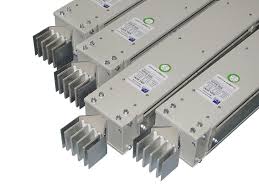
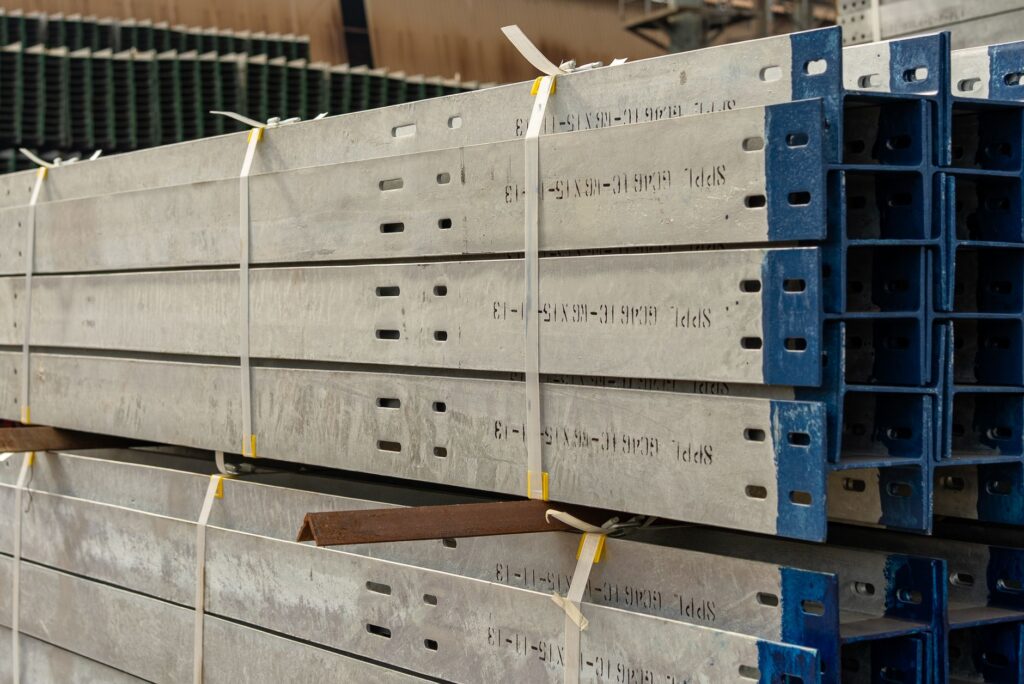
A busbar is one of the most important components used in modern electrical installations. Instead of relying on multiple individual cables, engineers often use a busbar system to simplify power distribution, improve current flow, and increase operational reliability.
- Why Busbars Are Used
- Materials and Construction
- Applications in Energy Systems
- Performance and Reliability
Today, busbar solutions are widely applied in industrial facilities, renewable energy projects, battery systems, and mobile power applications.
Why Busbars Are Used
The primary function of a busbar is the efficient distribution of electrical power between different parts of a system. By concentrating current flow into a solid conductive element, a busbar can reduce connection complexity and improve overall electrical performance.
Compared with traditional wiring, busbar systems often provide:
- lower electrical losses,
- improved thermal performance,
- easier installation,
- better scalability,
- enhanced system stability.
This makes them particularly valuable in applications where high currents must be distributed safely and efficiently.
Read more at https://www.electrispower.com/products/bus-bars.
Materials and Construction
Modern busbar products are typically manufactured from copper or aluminum, depending on the application requirements. In demanding environments, protective elements made from stainless steel or engineering plastics such as ABS may also be used.
High-quality busbar assemblies are designed to withstand mechanical stress, vibration, and exposure to challenging operating conditions. Resistance to corrosion, durability, and long service life are important factors when selecting a suitable product.
Manufacturers often offer multiple sizes and configurations, allowing engineers to match the specification to a particular installation.
Applications in Energy Systems
The use of busbar technology continues to grow as energy infrastructure becomes more complex. Busbars are commonly installed in battery banks, energy storage systems, switchboards, and renewable energy projects.
A busbar may be used in:
- photovoltaic installations,
- battery systems,
- industrial power cabinets,
- backup power systems,
- mobile applications such as camper vans.
In solar energy projects, busbars support the transfer of power between photovoltaic modules, batteries, and inverters. As photovoltaic systems continue to expand, reliable power distribution becomes increasingly important.
Performance and Reliability
One of the key advantages of a properly designed busbar system is reliability. Stable current distribution helps reduce the risk of overheating and minimizes potential failure points.
Leave a Reply