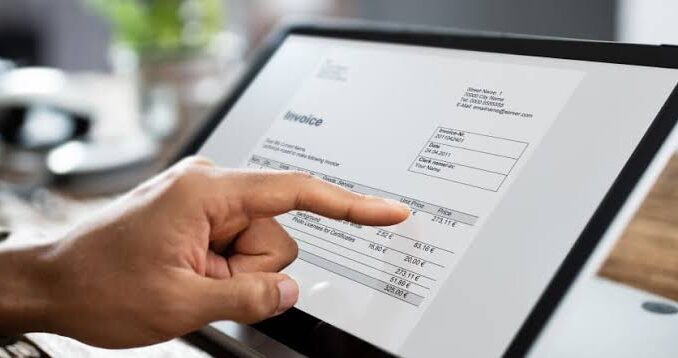

Businesses of every size are being asked to rethink how they issue and receive invoices. E-invoicing compliance has moved from a niche IT topic to a board-level priority, as governments across the world tighten rules around structured data, real-time reporting, and digital tax audits. For finance teams, the shift means more than swapping PDFs for XML files — it requires a clear plan that touches accounting software, procurement workflows, and staff habits alike.
This guide breaks the process down into manageable phases. Rather than treating compliance as a single deadline to meet, it frames electronic invoicing as an ongoing operational change that pays off through faster processing, fewer errors, and stronger audit trails. Each step below builds on the previous one, moving from assessment to long-term monitoring, so that organizations of any size can adapt the approach to their own invoicing volume and technical maturity.
1. Assess Current Invoicing Processes
The first step toward e-invoicing compliance is understanding exactly how invoices move through the organization today. Without a clear map of existing workflows, any new system risks duplicating effort or missing critical touchpoints.
1.1 Map Invoice Volume and Formats
A thorough assessment starts with counting how many invoices are issued and received each month, and in what format — paper, PDF, or already-structured data. This baseline reveals which departments generate the most invoicing traffic and where manual data entry still dominates.
1.2 Identify Compliance Gaps
Once the volume is known, it becomes easier to spot gaps between current practices and regulatory expectations. Missing fields, inconsistent tax codes, or a lack of digital archiving are common weak points that surface during this review.
2. Choose the Right E-Invoicing Format and Standard
Selecting a recognized structured format is central to any compliance strategy, since tax authorities increasingly expect machine-readable data rather than scanned documents.
2.1 Understand Structured Data Standards
Formats such as XML-based schemas or hybrid formats combining a human-readable layer with embedded structured data are becoming the norm in many jurisdictions. These standards allow invoices to be validated automatically, reducing the risk of rejected submissions. Since national regulations differ in scope and timing, it is worth examining specific frameworks such as e-invoicing in Germany, which illustrate how structured formats and mandatory transmission channels are being introduced across the broader European business landscape.
2.2 Align with Industry and Trading Partner Requirements
Beyond national rules, trading partners and industry associations often have their own preferences for invoice format and delivery method. Aligning early with the expectations of major customers or suppliers avoids costly rework later.
3. Select a Compliant Software Solution
A dependable software platform sits at the core of any successful transition, handling generation, validation, and archiving of invoices without manual intervention.
3.1 Evaluate Integration Capabilities
The right solution should connect smoothly with existing enterprise resource planning or accounting systems, avoiding duplicate data entry. Evaluating application programming interfaces and pre-built connectors early prevents integration headaches during rollout.
3.2 Confirm Archiving and Audit Trail Features
Long-term, tamper-proof storage of invoices is a legal requirement in most jurisdictions. Software chosen for e-invoicing compliance should offer automated archiving with clear audit trails, timestamps, and access controls.
4. Integrate E-Invoicing into Existing Systems
Technical integration determines whether the new process runs smoothly in daily operations or creates friction for finance teams.
4.1 Test Data Flows Before Go-Live
Running a pilot phase with a limited set of invoices helps confirm that data flows correctly between the invoicing platform, accounting software, and any tax reporting portals. Catching mapping errors during testing is far less costly than fixing them after full deployment.
4.2 Establish Fallback Procedures
Even well-planned systems occasionally face outages or rejected submissions. Establishing a documented fallback procedure, including manual review steps, keeps invoicing running during unexpected disruptions.
5. Train Staff and Update Internal Policies
Technology alone does not guarantee compliance; people need to understand the new processes and why they matter.
5.1 Deliver Role-Specific Training
Accounts payable staff, procurement teams, and IT support each interact with the system differently, so training sessions should be tailored to their specific responsibilities rather than delivered as a single generic briefing.
5.2 Update Internal Documentation
Internal policy documents, approval workflows, and vendor onboarding materials should be revised to reflect the new invoicing requirements, ensuring consistency across departments.
6. Monitor Compliance and Adapt to Regulatory Changes
Regulatory frameworks around structured invoicing continue to evolve, so ongoing monitoring is essential rather than optional.
6.1 Track Regulatory Updates
Assigning responsibility for tracking regulatory changes, whether within a finance team or through a dedicated compliance function, ensures that updates to formats, deadlines, or reporting obligations are caught early.
6.2 Review Performance Metrics Regularly
Metrics such as invoice rejection rates, processing time, and error frequency offer a practical way to measure whether the system is performing as intended. Regular review of these figures supports continuous improvement well beyond the initial rollout.
Common Mistakes to Avoid
- Treating e-invoicing compliance as a one-time project instead of an ongoing operational requirement
- Choosing software based on price alone without verifying integration and archiving capabilities
- Skipping a pilot phase and moving directly to full deployment
- Failing to train staff on the reasons behind new workflows, leading to workarounds and manual shortcuts
- Ignoring trading partner requirements that differ from the minimum regulatory standard
- Underestimating the time needed to clean up master data such as tax codes and customer records
Practical Checklist for E-Invoicing Compliance
- Map current invoice volumes, formats, and departmental workflows
- Identify gaps between existing practices and applicable regulatory requirements
- Select a structured invoicing format aligned with relevant national and industry standards
- Choose software with proven integration and long-term archiving capabilities
- Run a pilot phase before full system integration
- Document fallback procedures for outages or rejected submissions
- Deliver role-specific training to accounts payable, procurement, and IT teams
- Update internal policies and vendor onboarding documentation
- Assign ongoing responsibility for tracking regulatory changes
- Review performance metrics regularly to refine the process over time
Leave a Reply