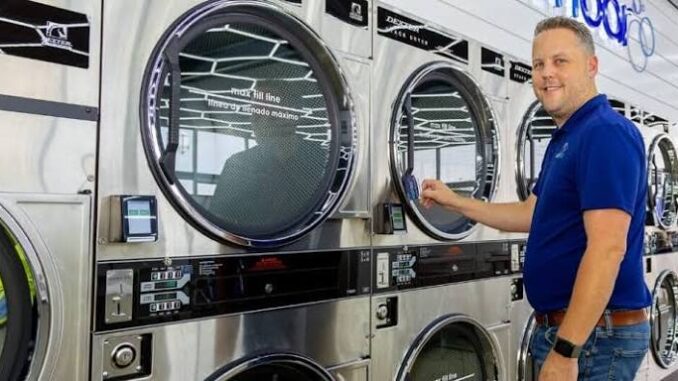
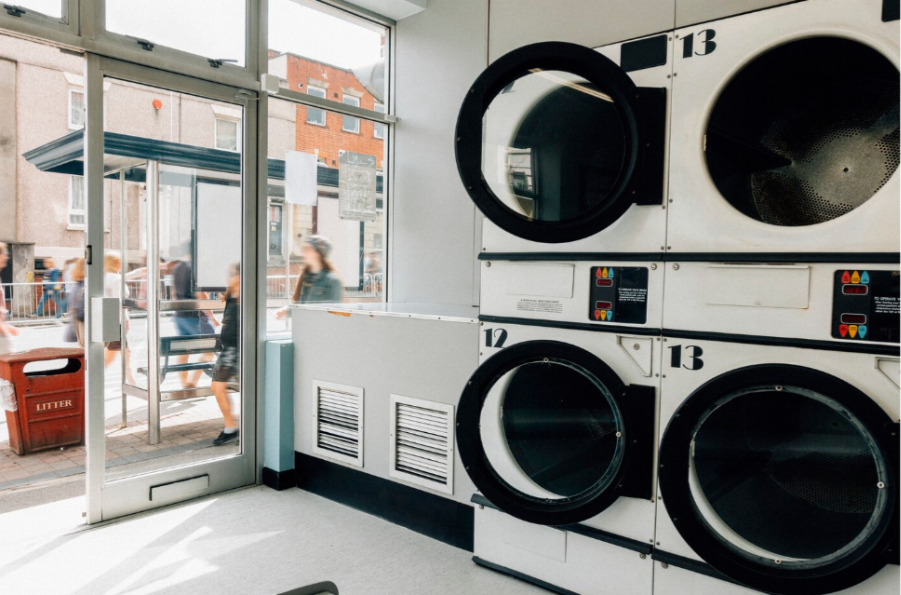
Traditional laundromats can be very complicated at the very moment when convenience is expected. Finding the exact coins, working with jammed coin slots, or the need to wait on change machines slows down the whole laundry process. Operationally, owners experience challenges with handling cash, monitoring machine use, and minimizing human error in day-to-day transactions. These problems make the system less efficient for both customers and businesses.
As laundromats evolve, the need for a more organized and efficient payment system becomes clear. Laundry card systems introduce a digital method where usage is associated with prepaid value rather than physical money. This allows machines, payments, and tracking to work together seamlessly.
This article describes how laundry card systems work in modern laundromats and the way each step is carried out in the entire process.
1. Machine Integration with Card-Based Control Units
The modern laundromats are run by the machines with the electronic control units instead of the traditional coin mechanisms, which allows the machine to operate digitally. These units form the main interface between each machine and payment validation, as well as operational control systems. With this setup, laundry card systems allow machines to respond only to authorized digital inputs instead of physical currency.
After integration, the control unit constantly reports to the internal system of the machine to manage start, stop, and cycle permissions. This guarantees that all the operations are activated upon successful system checking. This makes machines operate in a synchronized and standardized way throughout the laundromat.
By this integration, the laundry card systems allow an entirely connected system in which machines, payments, and controls all integrate. The manual handling of coins is also completely eliminated. This results in a smooth operation, fewer mistakes, and uniform machine performance in every unit.
2. Account Creation and Issuance of Laundry Access Cards
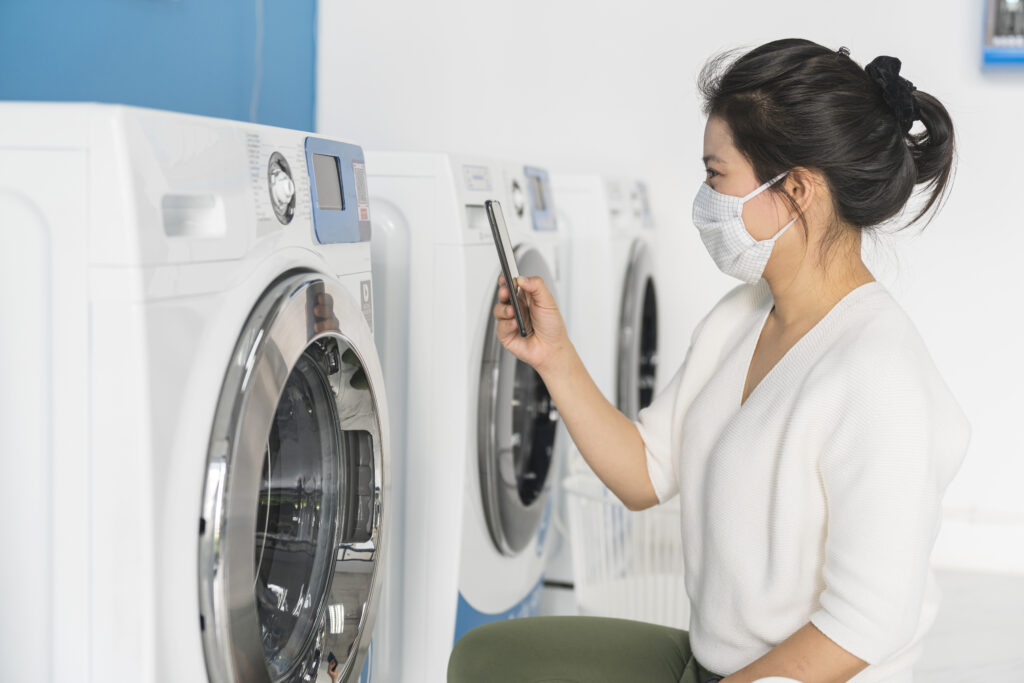
The users are initially registered in the laundry machine system in a systematic onboarding process. They are issued a special card or digital profile, which is their identity in the system. This identity connects them to any further machine interactions and transactions.
Registration information is kept in a central database in which each user is assigned a unique identifier. Depending on the system setup, access may be provided through RFID cards or mobile-based credentials. These identifiers make sure that all user actions are properly tracked and confirmed.
After opening the account, the user can access any machine supported within the laundromat network. Their identity is uniform in all interactions, irrespective of the place or the type of machine. This provides a single access system to all the laundry operations.
3. Fund Loading into Prepaid Laundry Balance Systems
Money is inserted into the laundromat system via kiosks, mobile applications, or online payment options. Every transaction is transformed into digital credit and saved in the account of the user to use at the machine. The balance turns out to be the primary payment source for washing and drying.
Once the transaction has been completed, the system automatically updates the account and displays the balance on demand. The stored value stays linked to the user’s card or digital profile until it is used. This eliminates the use of cash when visiting the laundry.
Users can recharge their accounts whenever needed based on usage frequency. All top-ups are logged automatically to be tracked and reported. This provides a well-defined and regulated flow of payments within the system.
4. User Verification Through Card or Digital Login Access

Authentication starts with a user interacting with a system by a physical card tap, swipe, or mobile login. The system reads the credentials instantly and compares them with the stored ones in the central database. This is to ensure that only registered users can continue using the machines.
After the user identity is confirmed, the system connects the user identity to their prepaid balance and access to the machine. This interaction occurs in real-time and allows safe communication between the user and the machines in the laundromat. It also makes sure that all transactions are linked to a verified account to be processed correctly.
After verification has been carried out successfully and without errors, access is granted. When the credentials are not a perfect match, the system will automatically block any further interaction. Such a controlled process allows for the maintenance of security, the avoidance of unauthorized use, and the smooth functioning of all machines in the laundromat.
5. Machine Start Triggered Through Authorized Payment Signal
Machine activation begins when a user selects a washing or drying cycle through the connected interface. The system processes this selection and generates an authorization request based on available balance and machine status. Once validated, a digital signal is sent to the machine controller to unlock operations.
After approval, the machine receives the start command and initiates the selected cycle automatically. The process ensures that only verified and paid sessions are allowed to run on the equipment. This eliminates manual intervention and keeps machine usage fully system-controlled.
During operation, the machine continues running under programmed settings without requiring user input. The control unit monitors execution to ensure the cycle runs as selected. This creates a smooth, uninterrupted start-to-operation flow across all machines.
6. Central System Recording of Transactions and Machine Events

Every interaction within the laundromat is automatically captured by a central management system in real time. This includes user identity, payment confirmation, selected machine, and cycle duration data from each session. The information is stored instantly to ensure accuracy, transparency, and reliable record-keeping across all operations.
Operators can access this data through digital dashboards that present machine performance, usage statistics, and revenue insights in a structured format. These reports make it easier to monitor peak usage hours, track operational efficiency, and understand overall laundromat performance. This visibility supports better maintenance scheduling and informed operational decisions.
Beyond daily monitoring, all recorded data is securely stored for long-term analysis and reporting purposes within the system. It helps identify usage patterns, customer behavior trends, and machine demand across different time periods. This structured data management improves overall control, efficiency, and planning across laundromat operations consistently.
Conclusion
Laundry card systems change the way laundromats operate by connecting machines, payments, and tracking into a single digital flow. Every step from user registration to machine activation works through controlled system logic instead of manual processes. This creates a more structured environment where operations are faster and more predictable. Users benefit from smoother access and simplified payments without handling cash.
At the same time, operators gain full visibility into machine usage and transactions. Overall, the system improves efficiency, reduces operational friction, and supports a more organized laundromat experience through connected digital workflows.
Leave a Reply