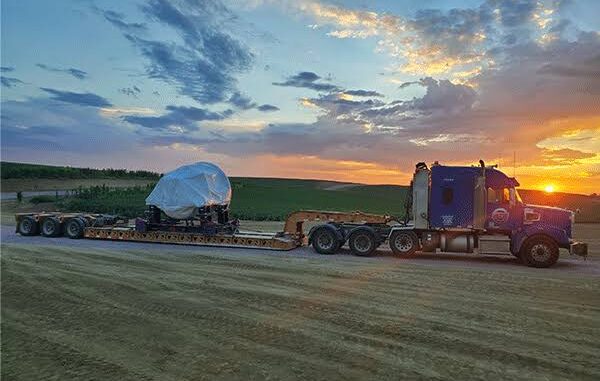
Forget the glossy brochures about “end-to-end logistics.” Out in the real world, your entire route plan can get shredded by a frost law or a summer heat ban before your driver even hits the first state line. If you’re still treating routes as permanent paths, you’re losing money. Here is why the calendar is the silent partner—or the silent killer—in your heavy haul operations.
The “Spring Thaw” Trap
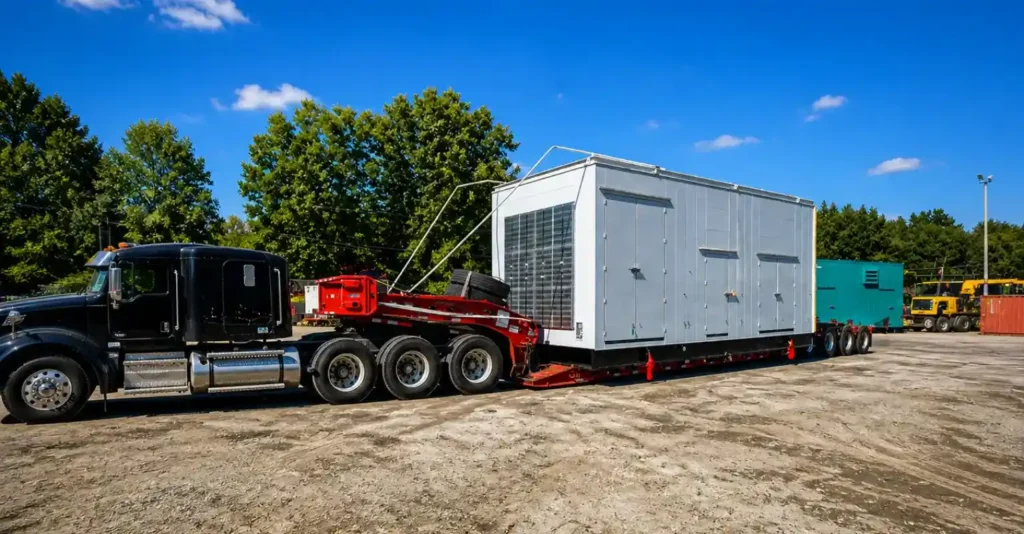
Every spring, the heavy haul industry hits a wall. As the ground thaws, the moisture creates a slushy, unstable roadbed. State DOTs don’t care about your delivery schedule; they care about their roads. They drop weight limits on secondary routes overnight.
If you aren’t watching these embargoes, you’re going to get hit with:
- The “Weight Penalty”: You might have to pull the load off the trailer and split it, or add an extra axle just to stay legal. That’s money gone, right there.
- Forced Miles: You’ll be pushed onto interstates. Say goodbye to your fuel budget and your arrival window.
- The Impound Risk: DOT officers aren’t looking for excuses in April. They’re looking for violations. If your axle weight doesn’t match the local frost limit, you’re done. You sit on the shoulder until you can re-permit.
Summer: When Construction Beats Your Schedule
Summer is peak “fix the roads” season. You might have run that route a dozen times in February, but in July, it’s a minefield.
- Vertical Clearance Kills: Road crews put up scaffolding or repair bridges, suddenly dropping your clearance by six inches. If you didn’t re-check that route 48 hours before you left, you’re backing out of a construction zone in the middle of traffic.
- The Tourist Logjam: States know you’re coming. If you’re running through tourist hotspots on a holiday weekend, you’re getting restricted to night moves. That destroys your driver’s clock and your lead time.
- Heat Bans: Some of these states will stop you cold when the mercury hits 95°F+ because they’re afraid you’ll crush their softening asphalt. You sit and wait for the sun to go down.
Stop Treating Permits Like Paperwork
The biggest mistake? Using an old permit from a previous job. You need oversized permits that are hot off the press, calibrated for the exact conditions of that week.
- Don’t rely on history: If your permit desk isn’t checking state bulletins every morning, they’re guessing. And when they guess, you pay.
- Permit Agility: When a road shuts down because of a storm or a new construction barrier, you need to re-route and re-permit now. If your process takes 24 hours to get a new permit, your load is just expensive lawn art on the side of the road.
How to Stay Profitable
If you want to stop getting surprised, change your process:
- The 48-Hour Audit: Do a live route check two days before you load. Don’t look at maps—look at DOT road notices.
- Build a “Seasonal Buffer”: If you’re moving in March or November, add 20% to your transit time. Something will go wrong, and if you have that buffer, you’re a pro. If you don’t, you’re just stressed.
- Get a Real-Time Partner: Work with a permit shop that knows the local county rules, not just the state ones. The state might be open, but that one bridge in the middle of nowhere? That’s where you get caught.
The Reality: Horsepower doesn’t matter if your permit doesn’t match the road. Stay on top of the weather, watch the DOT bulletins, and stop assuming yesterday’s rules still apply today.
Leave a Reply