Introduction
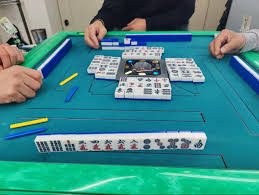
Mahjong is a classic tile-based game that combines strategy, observation, probability, and a little bit of luck. Originating in China and now played around the world, mahjong has developed into several popular variations, each with its own rules and scoring systems. At first glance, a table covered with beautifully decorated tiles can seem complicated. Fortunately, the basic idea becomes much easier once you understand how hands, sets, and turns work.
Whether you want to play mahjong with friends, explore online versions, or simply understand what everyone is doing around the table, learning the fundamentals is the best place to start. This guide covers mahjong tiles, basic gameplay, winning hands, beginner strategies, and common mistakes. You’ll also discover why mahjong remains so engaging after hundreds of years. There are plenty of rules to learn, sure, but you don’t need to memorise everything on day one.
Key Takeaways
- Mahjong is a strategic tile game typically played by four players.
- Mahjong tiles include suits, honor tiles, and, in some versions, bonus tiles.
- Winning hands are generally created by arranging tiles into specific sets and a pair.
- Strategy involves knowing what to keep, what to discard, and what opponents may be collecting.
- Mahjong variations can have substantially different scoring and winning requirements.
- Beginners should master basic hand structure before worrying about advanced tactics.
What Is Mahjong?
Mahjong is a game in which players draw and discard tiles while attempting to construct a legal winning hand. Although it is sometimes compared with card games such as rummy, mahjong has its own distinctive mechanics, terminology, traditions, and strategic depth.
A standard game usually involves four players. During play, you continually evaluate your tiles and decide which ones give you the strongest path toward completing your hand. Meanwhile, every discarded tile provides information about what other players might—or might not—be building.
That’s where mahjong gets interesting. Winning isn’t simply about receiving great tiles. Strong players pay attention to the table, adjust their plans when circumstances change, and avoid giving opponents exactly what they need. Different mahjong variants change some details, so always establish the rules before starting a game.
Understanding Mahjong Tiles
Before learning how to play mahjong, you need to become familiar with the tiles. A traditional set contains several categories, and recognizing them quickly makes gameplay considerably smoother.
The three numbered suits are Bamboo, Characters, and Dots/Circles. Each suit contains tiles numbered from one through nine, with multiple copies of each tile. These numbered tiles form much of the foundation of ordinary mahjong hands.
Honor tiles are divided into Winds and Dragons:
- Winds: East, South, West, and North
- Dragons: Red, Green, and White
Some mahjong sets also contain Flower and Season tiles. These are generally treated differently from normal suited and honor tiles, depending on the rules being played.
| Tile Type | Examples | Typical Purpose |
|---|---|---|
| Suited tiles | Bamboo, Characters, Dots | Creating sequences and matching sets |
| Winds | East, South, West, North | Sets and scoring opportunities |
| Dragons | Red, Green, White | Sets and potential scoring |
| Bonus tiles | Flowers and Seasons | Additional bonuses in certain variants |
Don’t panic if the symbols initially look unfamiliar. After a few games, identifying tiles becomes surprisingly automatic.
The Three Main Mahjong Suits
The three suits deserve particular attention because they provide many of the combinations you’ll use when constructing a hand. Bamboo tiles generally display bamboo-like symbols, while Dots feature circular patterns. Character tiles use Chinese characters to represent their numbers.
Numbered suited tiles can commonly form both sequences and matching groups. For example, tiles numbered 3, 4, and 5 from the same suit can create a sequence. Three identical 5 Bamboo tiles, meanwhile, create a matching set.
This flexibility makes suited tiles strategically valuable. Connected tiles such as 4 and 5 can potentially combine with several future draws, whereas isolated tiles often have fewer possibilities. Beginners should therefore avoid judging a tile only by what it currently does. Ask what it could become after your next few draws.
Suit recognition also matters when watching opponents. If another player repeatedly discards tiles from one suit while keeping another, that pattern may eventually reveal useful clues about their intended hand.
How to Play Mahjong
The precise setup depends on the variation, but the fundamental rhythm of mahjong is fairly straightforward. Players begin with a starting hand of tiles and then take turns drawing and discarding.
Your objective is to improve the structure of your hand until it satisfies the winning requirements of your chosen ruleset. On a normal turn, you draw a tile, evaluate your hand, and discard a tile you no longer want. Play then continues around the table.
Certain discarded tiles can sometimes be claimed by another player to complete a set. The terminology and restrictions surrounding these calls differ between variants, which is why learning one specific version first is much easier than mixing several rulebooks together.
A simplified turn looks like this:
- Draw a tile.
- Evaluate possible combinations.
- Keep the tiles that improve your hand.
- Discard an unwanted tile.
- Watch what other players draw, discard, or claim.
- Continue until someone completes a valid winning hand.
Simple on paper. Considerably more sneaky once three opponents are trying to win first.
How a Winning Mahjong Hand Works
In many common forms of mahjong, the basic winning structure consists of four sets plus one pair, although exact requirements vary by ruleset. A set may consist of three identical tiles or, when permitted, a sequence of three consecutive numbers from the same suit.
For example, a conceptual hand could contain:
- 2-3-4 Bamboo
- 6-7-8 Dots
- Three Red Dragons
- Three identical Character tiles
- A matching pair
However, completing a structural hand doesn’t necessarily guarantee a legal win under every mahjong system. Some variants impose additional requirements, scoring patterns, or minimum values. Japanese riichi mahjong, Chinese competition rules, and other systems can therefore feel quite different even though they share the same broad foundation.
As a beginner, concentrate first on seeing potential sets and pairs quickly. Advanced scoring can come later. Trying to learn every scoring exception before playing your first hand is a pretty efficient way to make mahjong feel harder than it really is.
Mahjong Strategy for Beginners
Good mahjong strategy starts with flexibility. During the opening stages, avoid committing too quickly to a narrow plan unless your starting tiles strongly support it. Connected numbered tiles usually provide more possibilities than isolated pieces, so consider how many future draws could improve each part of your hand.
Pay attention to discards as well. Mahjong isn’t solitaire with three extra people sitting nearby. Every opponent is giving you information throughout the game. Their discards and claimed sets may provide hints about the suits, combinations, or scoring patterns they are pursuing.
You should also reassess your hand regularly. A promising strategy after your first few draws might become inefficient later. Being willing to change direction is often more valuable than stubbornly chasing your original idea.
Common Mahjong Mistakes to Avoid
One common beginner mistake is focusing entirely on your own tiles. While building your hand matters, ignoring opponents means throwing away a major source of strategic information. Watch what disappears from the table and which discarded tiles opponents choose to claim.
Another mistake is keeping too many isolated tiles. A lone middle-number tile can still become useful, but groups of connected tiles generally provide better opportunities. Compare the number of possible draws that improve each section of your hand before deciding what to discard.
Beginners also tend to chase attractive or high-value hands even when the required tiles simply aren’t arriving. Mahjong rewards adaptability. Sometimes the practical route to victory is better than the impressive one.
Finally, don’t assume every mahjong game follows identical rules. Before playing, confirm the variation, scoring method, special hands, and requirements for declaring a win. Five minutes spent clarifying rules can prevent 30 minutes of “Wait, you’re allowed to do that?”
Popular Mahjong Variations
Mahjong has spread across countries and communities, producing numerous variations. While the tiles and core draw-and-discard concept remain recognizable, scoring systems, special rules, legal combinations, and strategic priorities can differ substantially.
Chinese mahjong itself includes multiple regional and modern rulesets. Hong Kong mahjong is widely played and is often considered relatively approachable once you understand basic hand construction. Japanese riichi mahjong introduces distinctive mechanics such as riichi declarations and its own detailed scoring system.
American mahjong differs more noticeably and commonly uses racks, jokers, and an annually published card of recognized hands. Taiwanese and other regional forms introduce additional structural and scoring differences.
There isn’t one universally “correct” version. Choose the variant played by the people you intend to join, learn its rules consistently, and build from there. Once the fundamentals click, exploring another style becomes much easier.
Conclusion
Mahjong combines straightforward turn mechanics with remarkably deep strategy. Once you understand the tiles, suits, sets, pairs, and basic draw-and-discard cycle, the game becomes far less intimidating. From there, improving means developing pattern recognition, keeping your hand flexible, watching opponents, and understanding the specific scoring system used by your chosen mahjong variation.
The easiest way to learn mahjong is ultimately to play. Start with one ruleset, keep a reference guide nearby, and don’t worry about making mistakes during your first games. Every hand teaches you something about tile efficiency and decision-making. Learn the fundamentals first, then gradually explore scoring and advanced strategy. Before long, that confusing pile of symbols starts looking like possibilities instead of chaos.
FAQs
Can two people play mahjong?
Traditional mahjong is generally designed for four players, but two-player adaptations exist. These versions modify normal gameplay because fewer players significantly change tile availability and strategy. They can be useful for practice, although they won’t perfectly reproduce a standard four-player match.
How long does it take to learn mahjong?
You can understand basic drawing, discarding, and hand construction within a few sessions. Becoming comfortable with scoring and strategy takes longer, particularly in complex variants. Learning gets much faster when you consistently play one ruleset rather than jumping between several versions.
Is mahjong mainly luck or skill?
Both matter. The tiles you draw introduce luck, while decisions about discarding, hand development, risk, and opponent observation involve skill. Over many games, experienced players can make better decisions more consistently, even though nobody controls what tile appears next.
Can you play mahjong online?
Yes. Digital versions allow you to play against computers or other players and can be useful for learning. Many platforms automate legal moves and scoring, helping beginners understand gameplay, though it’s still worth learning why particular hands qualify.
Is mahjong difficult for beginners?
Mahjong can initially look difficult because of unfamiliar symbols and terminology, but its basic turn structure is relatively easy to understand. The deeper challenge comes from scoring and strategy. Learn tile recognition and basic hand construction first, then add the complicated stuff gradually.
What is the difference between mahjong and mahjong solitaire?
Traditional mahjong is a competitive multiplayer game involving drawing, discarding, and constructing hands. Mahjong solitaire is a matching puzzle where players remove exposed pairs from a stacked tile layout. They use similar-looking tiles but have fundamentally different gameplay.
Leave a Reply