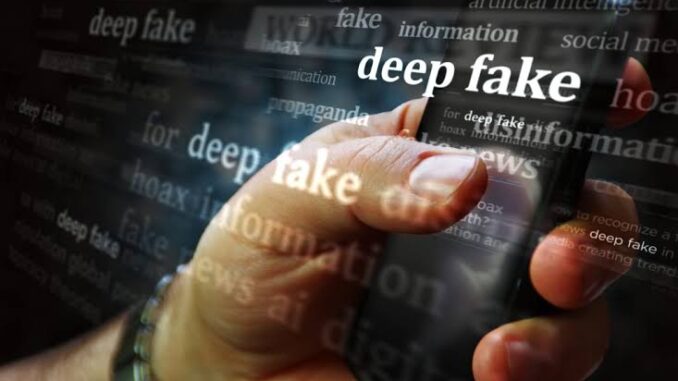
Synthetic media is no longer a futuristic concept. It is already part of everyday online life. AI-generated images appear in social media posts, marketing campaigns, profile pictures, entertainment content, memes, product mockups, and digital art.
At its best, synthetic media is creative and useful. It helps people visualize ideas, create content faster, restore old photos, generate illustrations, and experiment with styles that once required professional design skills.
But synthetic media also has a darker side.
When AI images involve real people, realistic identities, private appearance, or misleading contexts, the issue is no longer just creativity. It becomes a question of consent, privacy, trust, and harm.
That is where AI images stop being harmless.
Synthetic Media Changes What People Can Believe
Images have always been powerful because people trust what they see. A photo feels like evidence. Even though photo editing has existed for decades, most people still react emotionally to visual content before they question it.
AI makes this more complicated.
A synthetic image can look realistic enough to create doubt, confusion, or belief. It can show a person in a place they never visited, wearing something they never wore, doing something they never did, or appearing in a situation that never happened.
That does not mean every AI image is dangerous. A fantasy avatar or artistic illustration is usually clear enough. The ethical problem grows when synthetic media looks real and is shared without context.
If an image can affect how someone is perceived, then it carries responsibility.
Consent Is the Core Issue
The most important ethical rule is simple: real people should have control over how their image is used.
Using AI to edit your own image is one thing. Using someone else’s photo without permission is completely different. A person’s face, body, and likeness are not raw material for random experimentation just because their photo is available online.
This becomes especially serious with sensitive transformations. If someone uses an undress ai function, the first question should not be whether the output looks realistic. The first question should be whether the person in the image clearly agreed to that type of edit.
Without consent, synthetic media can become invasive very quickly.
A fake image may not show a real event, but it can still cause real humiliation, stress, reputational damage, or harassment.
“It Is Not Real” Is Not an Excuse
One common defense of harmful synthetic images is that they are not real. But that misses the point.
The harm does not come only from whether the image is factually real. It comes from how people react to it, how it spreads, and how it affects the person shown.
A fake image can still damage trust. It can still be used for bullying. It can still be screenshotted, reposted, taken out of context, or attached to someone’s name in search results.
For the person targeted, the emotional and social consequences can be very real.
This is why synthetic media ethics should focus on impact, not just technical truth.
The Risk Is Higher When Images Look Realistic
The more realistic AI images become, the more careful users need to be.
A cartoon avatar is unlikely to be mistaken for a real photo. A polished synthetic portrait, deepfake-style edit, or realistic body transformation is different. If viewers might believe the image is real, then the creator has a stronger duty to avoid misleading people.
This matters in many areas:
- dating profiles,
- influencer content,
- business branding,
- testimonials,
- political content,
- news-like posts,
- personal attacks,
- adult or suggestive edits.
The more believable the image, the more context it needs.
Privacy Starts Before the Image Is Generated
Many people focus on the final AI output, but the privacy issue starts when the original image is uploaded.
Photos can contain more personal data than users realize. A single image may reveal a face, body, home, workplace, school, location clues, background objects, or other people nearby. Depending on the platform, uploaded images may be stored, processed, or used in ways the user does not fully understand.
Before uploading any image to an AI tool, users should ask:
- Do I own this image?
- Do I have permission from everyone visible in it?
- Does the platform explain how uploads are handled?
- Can I delete the image later?
- Could the output harm or misrepresent someone?
- Would I be comfortable if this image spread?
If the answer is uncertain, the safest choice is not to upload it.
Sensitive Editing Tools Need Strong Boundaries
Not every AI image feature carries the same level of risk. Removing a background or improving lighting is not the same as changing someone’s body, clothing, or private presentation.
If someone experiments with an undresser ai feature, they should treat the image as sensitive from the beginning. That means using only images they have the right to edit, avoiding identifiable third-party photos, and never sharing outputs that could embarrass, sexualize, or misrepresent another person.
The stronger the transformation, the stronger the ethical responsibility.
Technology can make something easy to create. That does not make it acceptable to create.
Platforms and Creators Both Have Responsibility
The ethics of synthetic media should not fall only on individual users. Platforms also have a role.
AI image platforms should provide clear rules, visible consent policies, reporting tools, takedown processes, and restrictions around harmful uses. They should explain how uploaded images are handled and make it easy for users to understand the risks.
Creators, marketers, and publishers also need standards. If an image is AI-generated and could be mistaken for real, it should be labeled. If an image shows a real person, permission should be confirmed. If the content could harm someone, it should not be published.
Good synthetic media practices are not about killing creativity. They are about protecting trust.
When AI Images Are Harmless
AI images can still be used responsibly.
They are generally lower-risk when they are:
- clearly fictional,
- based on original or self-owned material,
- labeled when needed,
- not impersonating real people,
- not used as false proof,
- not intimate or humiliating,
- not shared without consent.
Synthetic media can be valuable for education, entertainment, advertising concepts, product visualization, storytelling, design, and art. The problem is not AI image creation itself. The problem is using it without boundaries.
Synthetic media becomes harmful when it removes consent, misleads viewers, invades privacy, or turns real people into material for manipulation.
AI image tools are powerful because they make visual creation fast and accessible. But that same power means users need better judgment.
The ethical rule is not complicated: if an AI image could damage someone’s dignity, privacy, reputation, or safety, it should not be created or shared.
Creativity does not excuse harm. Curiosity does not override consent. And a fake image can still have real consequences.
Leave a Reply