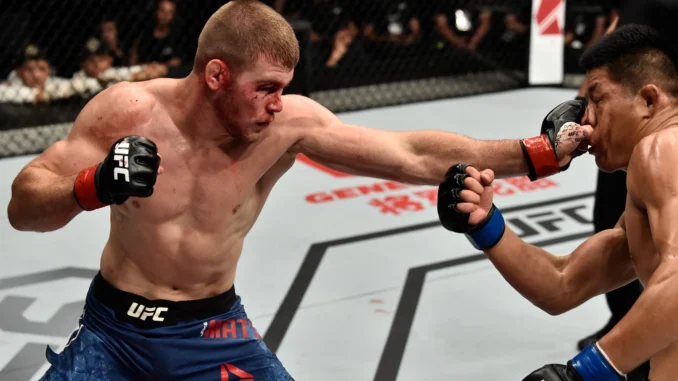
Punches, kicks, elbows, knees, takedowns, chokes: almost everything seems allowed inside the Octagon. Almost. Behind the chaos is a precise rulebook that decides which techniques are legal, which are banned and what happens when a fighter crosses the line. Event results and fight-night updates are on dbbet, and the rules that shape those results are explained below.
How We Got Here
The UFC began in 1993 with a marketing pitch suggesting there were hardly any rules at all. Early events banned only biting and eye gouging, with no weight classes, no time limits and some enormous size mismatches. Criticism and political pressure followed, and to win approval from state athletic commissions the sport gradually added rounds, weight divisions, gloves and a much longer list of fouls.
The Unified Rules
Those changes became the Unified Rules of Mixed Martial Arts, first drafted in New Jersey around 2000 and later adopted across most of the United States and many other jurisdictions. Today they are maintained by the Association of Boxing Commissions and Combative Sports, the ABC. The local athletic commission still regulates each bout, appoints the referee and judges and must adopt any ABC update before it applies locally.
Two Reasons a Move Gets Banned
UFC illegal moves fall into two broad groups:
- Safety fouls protect fighters from serious, unnecessary injury, such as strikes to the back of the head.
- Fairness fouls stop unfair advantages, such as grabbing the fence or an opponent’s shorts.
The Main Fouls at a Glance
| Foul | Why it is banned |
|---|---|
| Strikes to the back of the head or spine | Risk of damage to the brainstem and spinal cord |
| Throat strikes and grabbing the trachea | Very high risk of serious injury |
| Groin attacks of any kind | Unprotected area; cups reduce but do not remove the danger |
| Eye gouging | One of the oldest and most serious fouls in MMA |
| Biting, spitting, hair pulling | Unsporting and outside the spirit of competition |
| Fish hooking and fingers in orifices or cuts | High risk of tearing injuries |
| Small joint manipulation | Fingers and toes can break before a fighter can tap |
| Head butts | Cause heavy cuts and damage |
| Spiking onto the head or neck | Risk of catastrophic neck injury |
| Kicks or knees to a grounded opponent’s head | Protects a fighter who cannot defend properly |
Targets That Are Off-Limits
The back of the head and the spine have almost no natural protection, so strikes there are fouls, and the throat is protected too. Groin strikes are illegal, which is why fighters wear cups, although accidental low blows still happen regularly.
Eyes
Eye gouging is among the most serious violations. Accidental eye pokes are far more common, usually when a fighter extends an open hand to measure distance, which is why referees repeatedly tell fighters to close their fists.
What You Can and Cannot Do on the Mat
Submissions are central to MMA, but limits apply:
- Legal: armbars, kimuras, heel hooks, kneebars, ankle locks.
- Illegal: twisting fingers to break a grip, any small joint lock.
Slams are legal. Spiking an opponent directly onto the head or neck is not.
Illegal Moves in UFC Involving a Grounded Fighter
Some of the most debated illegal moves in UFC involve fighters on the floor. Kicking, kneeing or stomping the head of a grounded opponent is a foul, which is why soccer kicks, famous from Japanese promotions like PRIDE, are not allowed. Punches and elbows to a grounded opponent are legal.
Promotions in different regions sometimes run their own rule sets. Readers in Uzbekistan who enjoy other online entertainment between fight nights can find a local platform at kazino uz, always with responsible limits in mind.
The 2024 Definition Change
Under the old wording, a fighter became grounded just by placing a hand on the canvas, and fighters exploited that with a fingertip to avoid knees. The ABC rewrote the definition in 2024: a fighter is now grounded only when a part of the body other than the hands or feet touches the canvas. The change took effect in the model rules on November 1, 2024.
Goodbye to the 12-6 Elbow Ban
The same update removed the downward 12-to-6 elbow foul, named for the path between twelve and six on a clock face. The ban was notorious for producing the only loss of Jon Jones’ career, a disqualification against Matt Hamill in 2009 in a fight Jones was dominating. Research presented to regulators suggested the strike was no more dangerous than other legal elbows. Strikes to the spine and back of the head remain illegal, so a downward elbow can still be a foul on a forbidden target.
Earlier Revisions
In 2017, the ABC removed the ban on heel kicks to the kidney and introduced clearer criteria for scoring rounds, including when a judge should give a 10-8 score.
Fouls That Have Nothing to Do With Strikes
Grabbing the fence, holding shorts or gloves and throwing an opponent out of the cage are all illegal. Timidity is a foul too: avoiding contact, spitting out a mouthpiece or faking an injury to stall. Unsportsmanlike conduct covers abusive language, attacking after the bell and ignoring the referee. Before the fight, officials inspect wraps and gloves, check for a groin protector and mouthpiece, and ban excessive grease on the body or hair.
What Happens After a Foul
- A warning, often for a first minor offence.
- A point deduction for that round.
- Disqualification for serious or repeated violations.
A single point can flip a close decision into a draw or a loss.
Accidental and Intentional Fouls
After an accidental low blow, the referee can allow up to five minutes to recover. If an accidental foul ends the fight early, it is usually a no contest before a certain point and a technical decision on the scorecards after it. An intentional foul that leaves the opponent unable to continue usually means disqualification.
Still Evolving
The sport has travelled a long way from the nearly rule-free nights of 1993. Once you know the rulebook, stoppages and point deductions become far easier to read. The 2024 changes show regulators are willing to revisit even long-standing fouls when the evidence supports it.
Leave a Reply