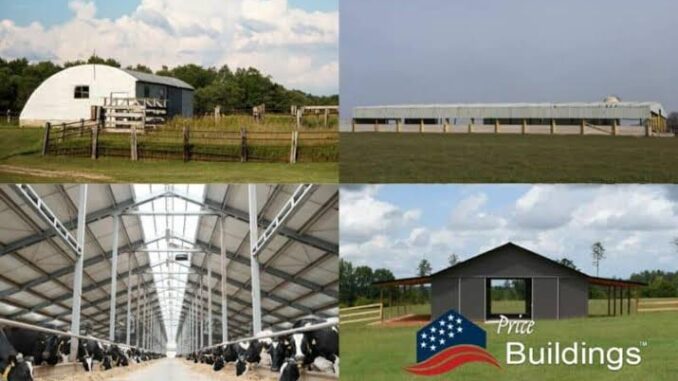
Farm operators face a crucial decision when selecting permanent shelter for their livestock. This choice affects animal health, daily workflow, and the financial stability of the entire operation. Older barn styles frequently struggle with severe weather, moisture retention, and general wear over time.
Current agricultural building solutions meet these demands with robust, purpose-designed options. These facilities provide superior safety, extended service life, and specific features for efficient animal management. One prominent solution for producers involves the use of modern engineered steel buildings for housing livestock. Read more to discover the five key reasons this option stands out for secure and sustainable animal housing.
1. Superior Structural Integrity and Long-Term Durability
The primary framework of these structures withstands formidable environmental forces much better than standard materials. Engineered steel components resist bending, warping, and decay from constant moisture exposure within animal quarters. Heavy snow loads on roof sections pose less risk to the stability of a properly designed metal structure.
High winds have a minimal chance of compromising the interlocked panel and framing system. This inherent robustness translates directly into a safer environment for valuable animals during storms. Farmers gain reliable peace of mind from a shelter designed to protect its inhabitants for decades.
2. Enhanced Protection Against Fire and Pests
Steel construction materials provide a critical defensive barrier against two major barn threats. This non-combustible nature can help contain a small incident and prevent catastrophic loss of life and property. Similarly, solid steel panels and trim offer zero nutritional value for destructive pests like rodents or insects.
These elements cannot burrow into or nest within the walls and roof of the building. Eliminating these vulnerabilities protects the structure’s integrity and the health of the animals inside. This proactive defense reduces stress on the herd and prevents the spread of disease carried by common pests.
3. Simplified Maintenance and Hygiene Management
Smooth, impervious interior surfaces allow for efficient and thorough cleaning between animal rotations. There are no porous wood grains or deep cracks to harbor bacteria, mold, or parasites after washing. Owners can apply disinfectant solutions without worrying about damaging or saturating the structural materials.
The exterior finishes typically resist fading, chipping, and the corrosive effects of ammonia. This low-maintenance characteristic saves considerable time and financial resources across many years. A more hygienic environment naturally promotes better herd health and reduces veterinary costs.
4. Optimal Ventilation and Climate Control Design
Effective air management is a cornerstone of successful livestock housing for animal comfort and air quality. The clear-span capabilities of metal structures allow unobstructed airflow without interior support columns. Designers can incorporate continuous ridge vents and adjustable sidewall systems as integral parts of the structure.
These features facilitate the constant removal of moisture, heat, and harmful gases like ammonia. A dry, draft-free environment is easier to maintain within a properly configured steel building. Controlling the internal atmosphere reduces respiratory illness and supports consistent animal growth.
5. Cost-Effective Construction and Operational Value
The prefabricated nature of these building systems streamlines the entire assembly process on site. Efficient construction translates into lower initial labor costs compared to traditional stick-built barn projects. Long-term savings accumulate from minimal repair needs, reduced insurance premiums, and excellent energy efficiency.
The durability of materials also guarantees a much longer functional lifespan before major replacement becomes necessary. This combination of initial and lifetime economics makes a compelling financial case for the investment. The structure delivers measurable value from the first day of occupation well into the future.
Modern agriculture demands infrastructure that aligns with principles of animal welfare and operational efficiency. Steel-based livestock housing meets this demand with a powerful combination of strength, safety, and practicality. The advantages of engineered steel buildings present a forward-thinking choice for serious producers. This approach to animal housing represents a strategic investment in a farm’s most valuable assets.
Leave a Reply