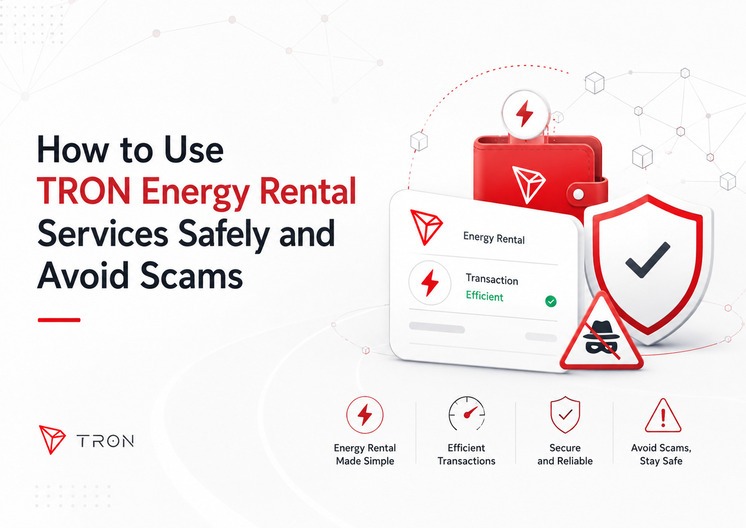
TRON Energy rental can be a practical way to reduce the cost of frequent TRC-20 transactions, especially for users who send USDT often. Before choosing a provider, it is worth comparing clear pricing, rental duration, wallet requirements, and user flow on services such as https://stash-trx.com/. The goal is simple: rent only the resources you need, keep control of your wallet, and avoid platforms that use confusing terms, fake guarantees, or unsafe wallet permissions.
What Is TRON Energy Rental?
TRON uses network resources instead of a simple gas-only model. Bandwidth is connected with the size of a transaction, while Energy is mainly used when smart contracts are executed, including many TRC-20 token transfers. If your account does not have enough resources, the network may burn TRX to cover the transaction cost.
Energy rental services exist because not every user wants to freeze or stake TRX long term just to send tokens. Instead, a provider delegates Energy to your wallet for a limited time. During that rental window, you can complete transactions with lower TRX costs, depending on the type of transfer and current network conditions.
Why People Use TRON Energy Rental
The main reason is cost control. For active USDT TRC-20 users, paying full transaction fees every time can become expensive. Energy rental may help when you need to make multiple transfers, process withdrawals, pay suppliers, move funds between wallets, or manage operational crypto payments.
It can also be useful for occasional users who do not want to learn staking mechanics. A simple rental flow can be faster than buying extra TRX, freezing it, waiting to understand resource allocation, and managing it later.
However, convenience should never replace basic security. A cheap rental is not worth it if the platform asks for unnecessary access to your wallet or hides how the service actually works.
How to Choose a Safe TRON Energy Rental Service
A reliable TRON Energy rental service should be transparent before you send any payment. You should be able to see the amount of Energy, rental duration, total price, supported wallet address format, and the expected activation time.
Look for these signs:
- Clear pricing before checkout
- No request for your seed phrase or private key
- Simple explanation of how Energy is delegated
- Visible support contacts or documentation
- Realistic claims about savings
- No pressure to deposit large amounts
A safe provider should not promise that every transaction will become free. TRON fees depend on the transaction type, available Bandwidth, recipient status, smart contract behavior, and network parameters. Good services explain this clearly instead of advertising impossible guarantees.
Red Flags That May Indicate a Scam
Scam platforms often rely on urgency and confusion. They may copy the design of real crypto services, use fake countdowns, or claim that you must connect your wallet immediately to “activate” your account.
Be careful if a service:
- Asks for your seed phrase, private key, or wallet backup
- Requires unlimited token approval for a simple Energy rental
- Has no clear pricing page
- Promises guaranteed profit or “risk-free” crypto income
- Uses only anonymous social media support
- Changes wallet addresses during payment
- Offers prices that look unrealistically low
The most dangerous warning sign is any request for your seed phrase. Energy delegation does not require a provider to know your private key. If a website, bot, or support agent asks for it, leave immediately.
Safe Steps Before Renting TRON Energy
Start with a small transaction. Even if the service looks legitimate, testing with a limited amount helps you confirm that the process works as expected. Check whether the Energy arrives, whether the rental duration matches the offer, and whether your TRC-20 transaction behaves normally.
Use a clean wallet for testing if possible. This is especially useful when working with a new provider. You do not need to expose your main operational wallet to every tool you try.
Always check the receiving address manually. Clipboard malware, fake QR codes, and copied wallet addresses are common risks in crypto. Before confirming any payment, compare the first and last characters of the address.
Keep enough TRX for fallback fees. Energy rental can reduce costs, but having a small TRX balance helps avoid failed transactions, especially when Bandwidth is insufficient or when a transaction requires more resources than expected.
Wallet Permissions and Private Key Safety
A legitimate Energy rental flow should usually require your public TRON address, not your private key. Your public address is enough for a provider to delegate resources to your account. The provider does not need access to your wallet recovery phrase.
Be careful with wallet connection prompts. Some malicious sites use fake “connect wallet” buttons to trick users into signing harmful permissions. Read every wallet message before confirming it. If the message is unclear, asks for broad control, or looks unrelated to Energy rental, reject it.
For business use, separate roles inside your crypto workflow. One wallet can be used for receiving funds, another for payouts, and another for testing services. This limits damage if one address interacts with a bad platform.
How Much Energy Should You Rent?
Do not rent blindly. Estimate how many transactions you need to make and for how long. If you only plan to send one USDT transfer, a short rental may be enough. If you run multiple payouts during the day, a larger or longer rental may be more practical.
Avoid overpaying for unused resources. Energy rental is usually time-limited, so the value depends on whether you actually use the resources during the rental period. The safest approach is to match the rental amount to a real transaction plan.
Best Practices for Regular Users and Businesses
For individual users, safety means testing first, using trusted wallets, and never sharing private keys. For businesses, safety also includes documentation. Keep records of rental orders, transaction hashes, payment addresses, and support conversations.
Businesses should also create internal rules for who can rent Energy, who can approve wallet payments, and how failed transfers are handled. This prevents rushed decisions and reduces the risk of sending funds to fake providers.
Final Thoughts
TRON Energy rental can be useful, but it should be treated like any other crypto service: convenient, but not risk-free. Choose providers with transparent pricing, never share your seed phrase, test with small amounts, and read wallet prompts carefully.
The safest approach is not to chase the lowest possible price. It is to use a service that clearly explains what you are buying, delivers resources to your wallet, and does not ask for permissions that Energy rental does not require.
Leave a Reply