
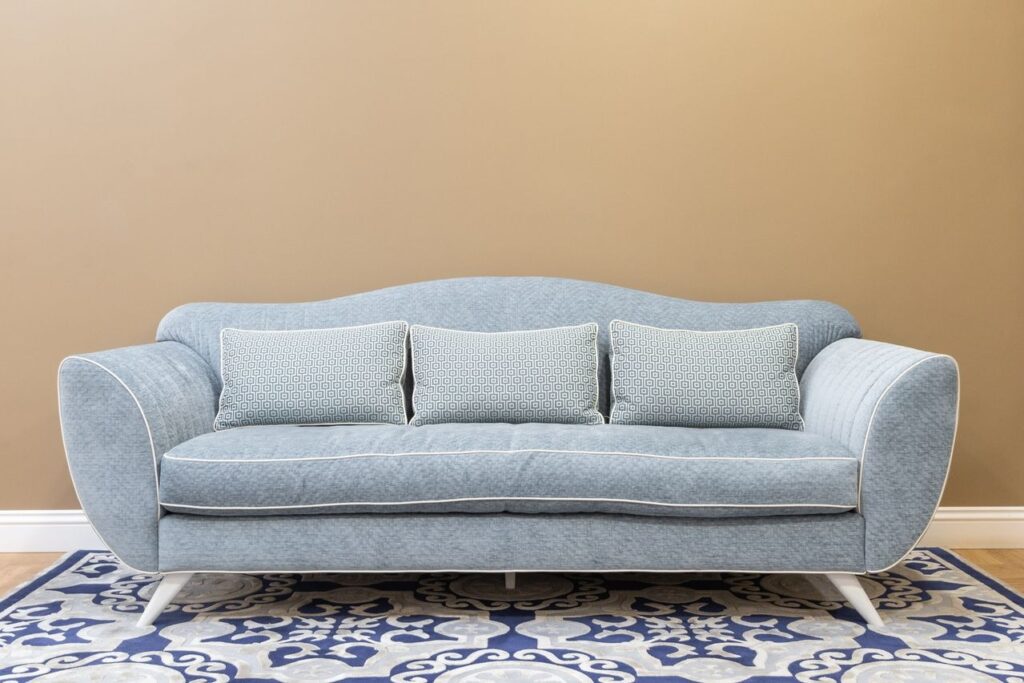
Saltwater and upholstered furniture are not a perfect combination. Whether it comes from ocean air, damp swimsuits, boating trips, or beachside humidity, salt can slowly wear down fabrics and padding. Homeowners in coastal areas often notice faster fading, lingering odors, and rougher textures on furniture exposed to salt air.
While upholstery is designed to handle everyday use, saltwater introduces minerals and moisture that may shorten its lifespan if not handled properly. Understanding how salt water affects furniture can help homeowners protect their investment and maintain a clean, comfortable living space for years to come.
How Does Salt Water Affect Upholstery?
Salt water can impact upholstery in several ways, especially when exposure happens repeatedly. After moisture evaporates, salt crystals remain behind and settle deep into fabric fibers.
Over time, this buildup can make upholstery feel stiff, dry, or faded. In coastal homes, even salty ocean air may contribute to gradual wear because airborne salt particles drift indoors through open doors and windows. The same salty moisture can also settle into rugs placed near entryways or patios, spreading residue throughout the home and increasing overall wear on indoor fabrics.
Certain upholstery materials are more vulnerable than others. Natural fibers like cotton and linen absorb water quickly, increasing the likelihood of salt retention. Synthetic fabrics generally resist moisture better, although they are not completely immune to damage. Regardless of the material, repeated exposure to salt water without proper cleaning can shorten furniture’s lifespan.
Why Do Coastal Homes Experience Faster Wear?
Living near the ocean creates unique challenges for home interiors. Salt in the air circulates constantly, even when furniture never comes into direct contact with seawater. Combined with high humidity, this creates an environment where moisture lingers longer inside cushions and upholstery layers.
Furniture placed near windows, patios, or outdoor entertaining areas is most likely to sustain damage. Sunlight may also intensify the problem because ultraviolet rays weaken fibers while salty air dries them out. Over time, upholstery may begin to fade unevenly or lose its softness.
Vacation homes and beach rentals are especially prone to upholstery issues because they experience heavy traffic from guests carrying sand, salt water, and damp towels indoors. Sand itself can act as an abrasive, grinding against upholstery fibers and causing premature wear. Homeowners who live near the beach year-round often find that regular maintenance becomes essential for preserving furniture quality.
What Are the Signs That Saltwater May Be Damaging Your Furniture?
Saltwater damage does not always appear immediately. Early warning signs are often subtle and easy to overlook. Upholstery may begin feeling slightly rough or appear dull compared to newer furniture. As exposure continues, the effects usually become more noticeable.
Fading fabric is one of the most common signs because salt and sunlight together can weaken dyes over time. White residue may also appear on furniture after moisture dries, especially if seawater has directly contacted the upholstery. Some fabrics become stiff or crunchy as salt crystals settle into the fibers.
Odors are another major concern. Damp upholstery exposed to salty moisture may develop musty smells if it does not dry properly. In humid environments, mildew and mold can also become an issue. Cushions that remain damp for long periods may eventually weaken internally, affecting both comfort and durability.
Rugs often reveal these problems before upholstered furniture does because they collect salt and moisture from shoes and foot traffic. Regularly inspecting rugs can help homeowners identify moisture problems before damage spreads to other furnishings.
How Do You Clean Salt Water From Upholstery?
Quick action is the best way to minimize saltwater damage. If upholstery becomes wet from ocean water, homeowners should blot the affected area immediately with clean, dry towels. Rubbing the fabric is not recommended because it may push salt deeper into the fibers.
After removing excess moisture, lightly rinsing the area with fresh water can help dilute salt residue before it dries. Using a clean cloth to blot the surface again removes additional moisture while preventing oversaturation. Proper ventilation is also important during the drying process. Fans, open windows, and dehumidifiers may help furniture dry faster and reduce the risk of mildew.
Professional upholstery cleaning may be necessary for delicate materials or severe exposure. Deep cleaning methods designed for upholstery can remove trapped salt and moisture more effectively than standard household cleaning tools. Homeowners in coastal climates often benefit from scheduling routine professional cleanings to maintain the condition of their furniture.
How Can You Prevent Upholstery Damage Near the Ocean?
Preventing damage is often easier than repairing it. One effective strategy is to use rugs near entrances to trap sand and salt before they spread throughout the home. Washable rugs are especially helpful in beach houses because they can be cleaned frequently without much effort.
Furniture covers and slipcovers also provide additional protection for frequently used seating areas. These removable layers absorb much of the daily wear and are easier to wash than entire upholstered pieces. Choosing moisture-resistant fabrics may further extend the lifespan of furniture in humid coastal environments.
Routine vacuuming is another important step because salt particles may settle into upholstery even when surfaces appear clean. Removing debris regularly helps reduce abrasion and keeps fibers in better condition. Maintaining balanced indoor humidity with air conditioning or dehumidifiers can also help prevent mold, mildew, and excess moisture buildup.
Protecting Upholstery for Long-Term Comfort
Salt water can absolutely affect upholstery, but damage is not unavoidable. With regular cleaning, smart fabric choices, and preventative care, homeowners can keep furniture looking fresh even in coastal environments. Paying attention to moisture levels, removing salt residue quickly, and protecting high-traffic areas all make a meaningful difference over time.
For homes near the beach, rugs and upholstered furniture require a little extra attention to maintain their appearance and comfort. Fortunately, consistent care can significantly reduce long-term damage. Through understanding how saltwater interacts with upholstery fibers, homeowners can enjoy coastal living while preserving the beauty and durability of their furniture.
Leave a Reply