
Recent advances in nicotine products have sparked interest in how combustion-based options like cigarettes compare with smokeless nicotine alternatives. Scientific research explores differences in chemical exposure, health risks, and user experience, providing a clearer understanding for consumers and policymakers.
When evaluating nicotine pouches vs cigarettes, scientific studies differentiate two core delivery systems: combustion and smokeless nicotine. Cigarettes burn tobacco to release smoke and associated chemicals, while nicotine pouches use oral absorption without combustion. This distinction shapes both user experience and risk profiles, making it important to examine what the science reveals about each method.
The science behind combustion in cigarettes
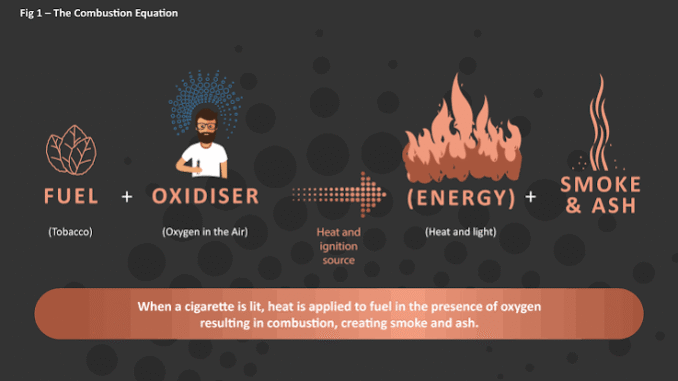
Cigarettes are defined by the combustion of tobacco. The burning process produces smoke containing nicotine alongside a complex mix of chemicals, including tar and carbon monoxide. Inhalation delivers nicotine rapidly through the lungs, but also exposes users to toxins linked to cancer, respiratory disease, and cardiovascular issues. Scientific research consistently finds that the combustion process is a primary contributor to the health risks of cigarette use.
Public health literature highlights that it is not just the nicotine itself, but the byproducts of burning tobacco, that drive most of smoking’s negative health effects. Therefore, understanding the dangers of combustion is central when comparing smoking with other nicotine delivery methods.
The temperature at which tobacco combusts, typically between 400 and 900 degrees Celsius, triggers thousands of chemical reactions that generate over 7,000 chemicals in cigarette smoke. For readers interested in the broader chemistry behind reactions like these, related chemical experiments can make the principles easier to visualize. Among these smoke compounds, at least 70 are classified as known carcinogens by health authorities worldwide. The combustion process creates reactive oxygen species and free radicals that can damage cellular DNA, proteins, and lipids, initiating pathways toward chronic disease. Research has demonstrated that even brief exposure to combustion byproducts can trigger inflammatory responses in lung tissue, while prolonged exposure leads to structural changes in airways and blood vessels that underpin conditions like chronic obstructive pulmonary disease and atherosclerosis.
How smokeless nicotine products work
Smokeless nicotine products such as pouches eliminate the need for burning. These pouches contain a measured dose of nicotine and are placed between the gum and lip, allowing absorption through the mouth’s mucous membrane. Scientific findings show that, because no combustion occurs, users avoid exposure to harmful smoke byproducts.
While nicotine absorption is generally slower and steadier in smokeless forms than inhaled smoke, medical studies indicate that overall nicotine levels in the bloodstream can be similar for regular users. Importantly, eliminating combustion significantly lowers exposure to many toxic substances, although the long-term health risks of sustained nicotine consumption remain an area of active study.
Comparing health effects and chemical exposure
Extensive scientific evidence confirms that burning tobacco produces carcinogens and other hazardous compounds. Smokeless nicotine products dramatically reduce these exposures, but they are not risk-free. Nicotine itself can influence cardiovascular health and may have other physiological effects, especially with regular or high-dose use.
Current research suggests that individuals using smokeless nicotine products have lower rates of cancer and lung disease than cigarette smokers, due to the absence of combustion-related toxins. Nonetheless, scientists emphasize that risk differences depend on usage patterns, individual health factors, and the specific product in question.
Considerations for user experience and future research
User experience differs as a result of the underlying chemistry and method of delivery. Smokers may find the rapid onset and ritual of smoking hard to replicate, while those using nicotine pouches often describe a subtler sensation and appreciate the absence of smoke and odor. Scientific studies into these subjective effects help clarify how personal satisfaction, convenience, and social context shape long-term use.
Ongoing research continues to examine not only the safety but also the acceptability and sustainability of smokeless nicotine alternatives. As both markets and regulations evolve, science will remain essential for informing consumers and policy decisions about combustion and smokeless nicotine products.
Leave a Reply